
What is multiple myeloma?
Multiple myeloma is an uncommon type of blood cancer that affects the bone marrow, where new blood cells are produced. It occurs when the body makes too many plasma cells, a type of white blood cell. Thanks to more effective treatments, the duration of myeloma remission is increasing and survival is improving.
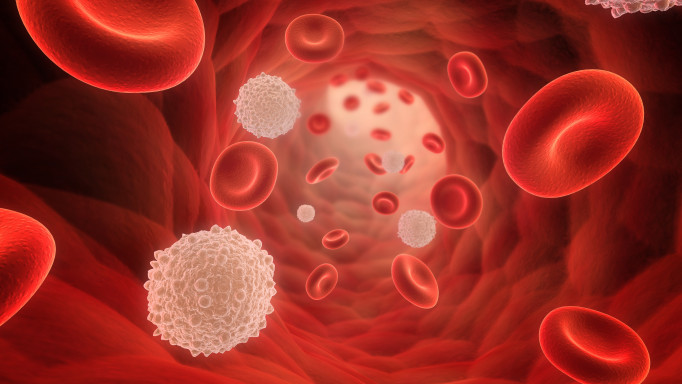
Plasma cells are mature B cells that produce antibodies. In multiple myeloma, abnormal plasma cells multiply in the bone marrow and make dysfunctional antibody-like M proteins, which can build up in the blood and organs. Abnormal plasma cells can clump together to form tumors in bones or soft tissue, and they can crowd out normal blood-forming cells. This can lead to bone fractures, low blood cell counts and increased risk of infection; over time the disease can damage the kidneys and other organs.
What are the risk factors for multiple myeloma?
Most people diagnosed with multiple myeloma are age 65 and older. Men are more likely than women to develop multiple myeloma, and it is more common among African Americans compared with other racial groups.
Multiple myeloma runs in families, but most people the disease don’t have affected family members. Radiation exposure is a known risk factor. Obesity, smoking and exposure to certain chemicals may increase the risk.
What are the symptoms of multiple myeloma?
B-cells are white blood cells that produce antibodies to fight invaders. People with multiple myeloma make abnormal antibodies, leading to increased risk for infections. Multiple myeloma tumors in the bone marrow can interfere with production of other types of blood cells. Symptoms may include the following:
- Bone pain, often in the back, hips or skull
- Bone loss (osteopenia and osteoporosis)
- Easy bone fractures
- Low red blood cells (anemia)
- Low white blood cells (leukopenia)
- Low platelets, leading to easy bruising and bleeding
- Fatigue
- Frequent infections
- Elevated calcium in the blood
- Loss or appetite or unintentional weight loss
- Excessive thirst and frequent urination.
How is multiple myeloma diagnosed?
The process of diagnosing multiple myeloma starts with a physical exam and health history. Blood tests are done to look for abnormal cells, low blood cell counts and abnormal levels of minerals like iron and calcium. Abnormal M proteins can raise the total blood immunoglobulin level, which is often how myeloma is first detected. Some people first develop smoldering myeloma (monoclonal gammopathy of undetermined significance, or MGUS), an asymptomatic precursor condition characterized by elevated M proteins and a higher than normal percentage of plasma cells in the bone marrow.
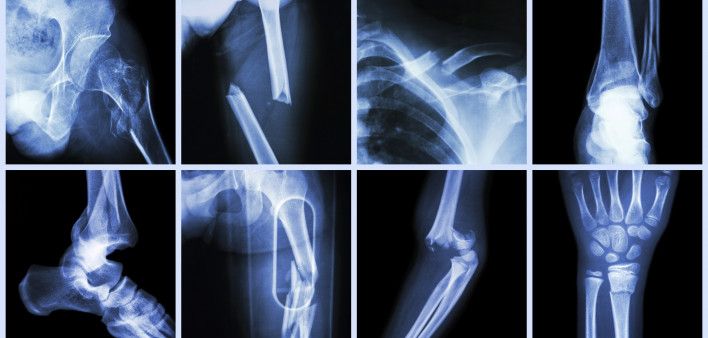
A bone marrow biopsy may be done, in which a needle is used to remove a sample to examine in the laboratory. X-rays, CT, PET and MRI scans may be done to visualize multiple myeloma tumors or areas of bone loss.
How is multiple myeloma treated?
Treatment for multiple myeloma depends on how advanced the disease is and what symptoms are present. In many cases, different types of treatment are used in combination, for example chemotherapy plus an immunomodulator and a targeted therapy.
Watchful waiting: For people with smoldering myeloma or early-stage disease, regular monitoring without treatment—known as active surveillance—may be an option. Treatment usually starts when blood cell counts become too abnormal.
Chemotherapy: Traditional chemotherapy works by killing fast-growing cancer cells, but it can also destroy healthy cells, leading to side effects. Chemotherapy for multiple myeloma generally involves a combination of drugs.
Targeted therapy: Targeted drugs work against cancers with specific characteristics. For example, they may target specific genetic mutations or interfere with signaling pathways that regulate cell growth.
Immunotherapy: This type of treatment helps the immune system fight cancer. Immunomodulators—drugs related to thalidomide—can inhibit the growth of myeloma cells and blood vessels that supply the cancer. Immune checkpoint inhibitors are generally not effective for multiple myeloma.
CAR-T therapy: Chimeric antigen receptor T-cell therapy involves removing a sample of a patient’s T cells, reprogramming them in a lab them to attack their cancer and infusing them back into the body.
Bone marrow contains stem cells that give rise to all types of blood cells. A patient’s cancerous blood cells are destroyed with chemotherapy and sometimes radiation and replaced with either stored stem cells from the same individual (autologous transplant) or new cells from a matched donor (allogeneic transplant).
Surgery and radiation: These approaches are not usually used to treat multiple myeloma, but they may help relieve symptoms such as bone pain.
Bone medications: Medications may be used to strengthen the bones and reduce the risk of fractures.
Targeted therapy and CAR-T therapy were originally developed for blood cancers. Some people respond very well to treatment, remaining in remission for years, but others do not respond as well or experience recurrence. Clinical trials are underway to test experimental therapies for multiple myeloma.
For more information on multiple myeloma, see the following resources:
Last Reviewed: October 27, 2025