
What is colorectal cancer?
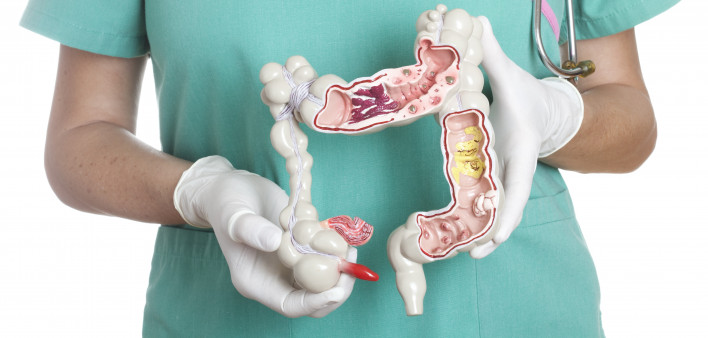
Colorectal cancer develops when cells grow out of control in the colon or rectum, sections of the large intestine. The most common kind is adenocarcinoma of the colon, which starts in the colon lining. Cancer may also arise elsewhere in the body and spread to the intestines, a process known as metastasis.
Who gets colorectal cancer?
Colorectal cancer is the third most common cancer and the second leading cause of cancer-related death in the United States. Colorectal cancer incidence and deaths among older adults have decreased in recent years, likely due to more screening, but rates are increasing among people younger than 50. Recent research suggests rectal cancer mortality is rising faster than colon cancer.
Colorectal cancer affects women and men about equally in the United States, but men are more likely to die from it. American Indians, African Americans and Ashkenazi Jews have higher rates of colorectal cancer occurrence and death.
What are the risk factors for colorectal cancer?
Older age is the biggest risk factor for developing colorectal cancer. This is because colon and rectal tumors can take a long time to form. Sometimes benign (noncancerous) tumors in the colon can take 10 to 20 years to progress to cancer.
Other risk factors include genetic factors (such as Lynch syndrome), a family history of colorectal cancer or polyps in the colon or rectum, and long-term inflammatory bowel disease (such as Crohn’s disease or ulcerative colitis). Lifestyle factors are known to increase the risk of colon cancer, including obesity, lack of physical activity, tobacco use, alcohol consumption and a diet high in red meat. Conversely, a diet high in fruits and vegetables may protect against colon cancer.
What are the symptoms of colorectal cancer?
After food is mostly digested by other parts of the stomach and small intestines, the colon absorbs water and salt from and stores what’s left as waste in the rectum before it is excreted as feces.
Colorectal cancer can cause many symptoms, which may include:
- Changes in bowel habits, such as diarrhea or constipation
- Blood in the stool
- Feeling the need to have a bowel movement even after doing so
- Persistent abdominal pain or cramps
- Unexplained weight loss
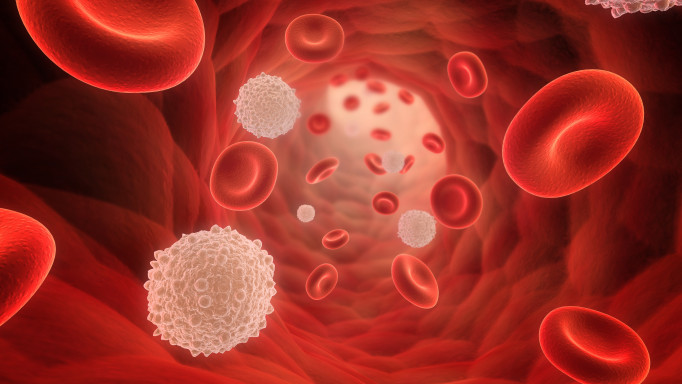
- Iron deficiency (anemia) due to internal bleeding.
Many people with colorectal cancer do not develop symptoms until its late stages, when it is harder to treat. This is why screening is important for prevention.
How is colorectal cancer diagnosed?
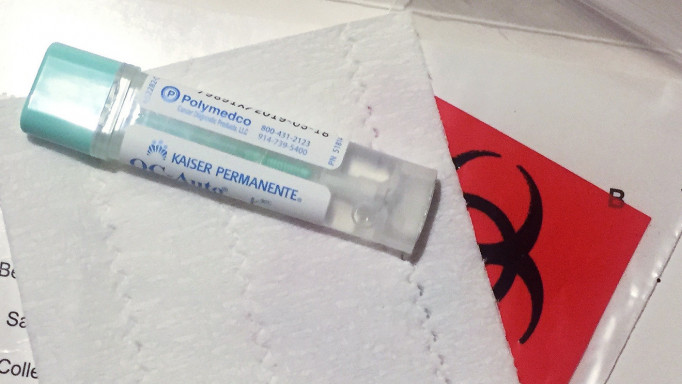
Early detection and treatment of colorectal cancer increases the likelihood of long-term survival. Doctors primarily use two types of tests to screen for colon and rectal cancer. Colonoscopy uses a flexible lighted tube to view the entire colon, while sigmoidoscopy views only the lower part of the colon and rectum. Another type of test looks for blood or DNA changes in a stool sample. Experts recommend that screening should start at age 45 for people at average risk, but those at higher risk should consider it sooner.
Thanks to widespread screening, colon cancer may be detected before symptoms occur. Often polyps (abnormal precancerous growths) and some small tumors can be removed during a colonoscopy. Other imaging, such as X-rays or computed tomography (CT) scans, may be done to see if cancer has spread.
How is colorectal cancer treated?
Treatment for colon and rectal cancer depends on how advanced the cancer is when detected, where it is located, how many tumors there are, how large they are and whether they have spread to nearby lymph nodes and other parts of the body.
Surgery: Some small and localized tumors in the colon and rectum, or precancerous growths that could become cancerous, can be surgically removed.
Radiation: Radiation may be used to shrink tumors, which can help relieve pain and other symptoms. It is often used in conjunction with other forms of treatment.
Chemotherapy: Traditional chemotherapy works by killing fast-growing cells, including cancer cells. It can also destroy rapidly dividing healthy cells, leading to side effects.
Targeted therapy: Targeted drugs work against cancers with specific characteristics. For example, they may interfere with signaling pathways that regulate cell growth. Targeted treatment is often better tolerated than chemotherapy, but cancer may develop resistance over time.
Immunotherapy: The newest type of treatment helps the immune system fight cancer. For example, some tumors can turn off immune responses against them, and drugs known as checkpoint inhibitors can restore T cells’ ability to recognize and destroy cancer cells. Current immunotherapy drugs work for only a subset of patients, and it is hard to predict who will benefit.
Click here for a list of approved medications used to treat colorectal cancer.
For more information on colon and rectal cancer, visit:
Last Reviewed: May 19, 2026