

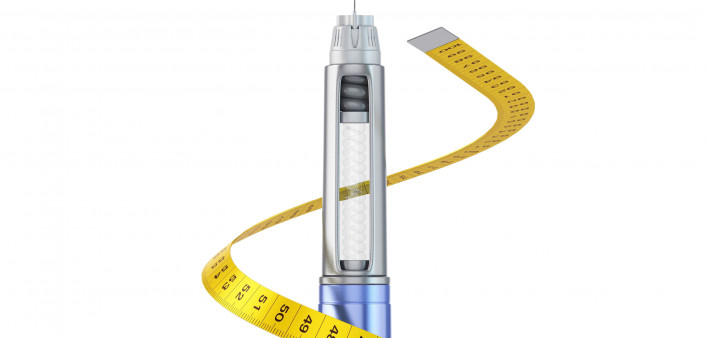
Use of weight-loss medications was associated with a moderately lower risk for obesity-related cancers and a decrease in overall mortality compared with other diabetes drugs, according to data presented at the American Society of Clinical Oncology (ASCO) annual meeting.
GLP-1 receptor agonists, such as semaglutide (Ozempic or Wegovy) and tirzepatide (Mounjaro or Zepbound), mimic natural hormones that suppress appetite, regulate insulin and slow stomach emptying. These drugs have already been shown to lower the risk of heart and kidney disease, and they may also play a role in preventing cancer and improving outcomes for patients. One recent study, for example, found that tirzepatide slowed breast cancer growth in mice.
Lucas Mavromatis, ScB, of the New York University Grossman School of Medicine, and colleagues looked at medical records from more than 170,000 U.S. adults with diabetes and obesity. Between 2013 and 2023, half started GLP-1 agonists (mostly older drugs like liraglutide), and half started DPP-4 inhibitors. Overall, people who used GLP-1 drugs had a 7% lower risk of developing obesity-related cancers. The effect was more pronounced for women but not statistically significant for men. Risk reduction was greatest for colon cancer (16%) and rectal cancer (28%), but rates were similar or lower for all 14 obesity-related malignancies, including breast, esophageal, kidney, liver, pancreatic, ovarian, stomach and thyroid cancers. What’s more, GLP-1 agonist users had an 8% lower risk of death from any cause.
“Though this trial does not establish causation, it hints that these drugs might have a preventative effect,” says outgoing ASCO president Robin Zon, MD. The researchers now plan to look at the link in people without diabetes.




Comments
Comments