

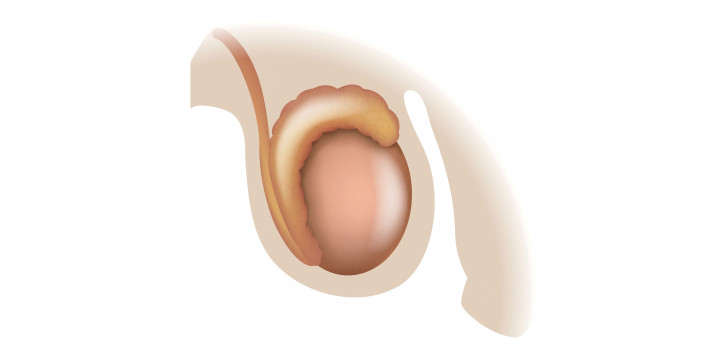
Testicular cancer develops when cells in the testes—the male gonads that produce hormones and sperm—grow out of control. Although rare, this type of cancer is most common in men between ages 15 and 35. What’s more, the incidence has been increasing for several decades. Thankfully, testicular cancer is highly treatable, especially when caught early. Visit these sites for information on self-exams, symptoms such as a lump or swelling, treatments, support groups and more.
A Ballsy Sense of Tumor
When Justin Birckbichler was diagnosed with testicular cancer in 2016, he began blogging about his experiences, sharing easy-to-understand information, interviews and more. Last year, he went from being “the Uniballer” to “the Girl Dad” and is devoting time to fatherhood. But his blog posts can still be found at CancerHealth.com.
American Cancer Society
The American Cancer Society offers a wealth of information about testicular cancer—from prevention to diagnosis to treatment—via articles, quizzes, videos and diagrams. Visit its online Cancer Statistics Center for updates on current research, survival rates and latest statistics.
Centers for Disease Control and Prevention
Although there is no standard screening test for testicular cancer, early detection is crucial for long-term survival. The CDC offers up-to-date information on self-exams, monitoring health and testicular cancer symptoms.
National Cancer Institute
This government site is an excellent source of information on testicular cancer treatment, clinical trials and current research. The site also features in-depth information on risk factors, coping with a diagnosis, prevention and treatment for childhood testicular cancer.
Nuts & Bolts
This online resource center offers informative articles and videos about testicular cancer treatment and its common side effects, fertility, sex during and after cancer, testimonials from survivors and more.
Testicular Cancer Awareness Foundation
testicularcancerawarenessfoundation.org
TCAF raises awareness about testicular cancer through educational programs, support groups and research studies. Its website empowers patients with current resources on risk factors, medication management, testicular implants and more.
Testicular Cancer Society
TCS, which has won awards for its awareness campaigns, offers materials on diagnosis, patient navigation, financial support options and more. Its mobile app, Ball Checker, provides current facts about testicular cancer and teaches users how to perform a testicular self-exam.
Testicular Cancer Foundation
This organization provides compassionate support to men affected by testicular cancer. TCF’s site offers early detection initiatives, educational guides, weekly survivor and patient support meetings and even yoga classes (via Zoom). TCF has also collaborated with the Charlotte, North Carolina, nonprofit Save a Nut to spearhead the Cojone Club, a network for survivors of testicular cancer.




Comments
Comments