

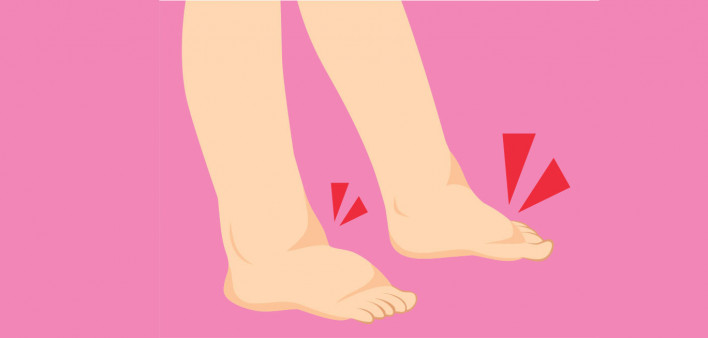
Many people with cancer experience edema, which refers to the swelling of body tissues. Edema occurs when fluid leaks out
of tiny blood vessels called capillaries and builds up. Most commonly found in the feet, ankles and legs, edema can be a side effect of treatment or caused by cancer itself. (Edema is also seen in pregnancy and medical conditions such as heart and kidney diseases.) Another type of swelling called lymphedema may occur when lymph nodes are removed or damaged by cancer treatment, affecting the normal flow or drainage of lymphatic fluid in the body. It is especially common among women who undergo surgery for breast cancer. Your care team can help you determine the cause and the appropriate course of treatment.
Swelling can trigger a mixed bag of unpleasant symptoms, including fatigue, difficulty breathing, limited mobility, pain, unexpected weight gain and psychological distress. Fortunately, proven fluid-fighting strategies, such as those below, can reduce the swelling.
- Cut back on salt. The American Cancer Society and numerous other medical experts recommend limiting salt (sodium) intake to stop the body from retaining fluid. Don’t worry, though: Food can be made tasty without adding salt. TheSpiceHouse.com shows how spices and herbs can boost the flavor profile of foods—ever heard of no-salt refrigerator pickles?—and CookForYourLife.org at Fred Hutch includes hundreds of recipes and nutrition advice for people with cancer.
- Chug more H20. Did you know that drinking enough water signals to the body that you’re not in danger of dehydration? Once reassured that there’s no crisis, the brain gives the kidneys the OK to release excess fluid they might be hoarding. In turn, you’ll pee out excess sodium and waste, key contributors to water retention and swelling.
- Keep it moving. Physical activity helps muscles efficiently pump blood and fluids throughout the body. This helps improve circulation, reduce fluid buildup and support lymphatic function. If you can’t exercise, at least try to minimize long periods of time sitting, lying down and standing still.
- Elevate your lower limbs. When lying down or sitting, put a pillow under your legs. Lifting the legs above the heart helps discourage fluid from pooling in the body’s lower extremities, which reduces swelling.
- Wear compression socks, sleeves and shoes. These items apply pressure to parts
of the body and help minimize fluid buildup.
- Let massage work its magic. Getting a massage—and even giving yourself one—can reduce swelling and improve circulation. Also helpful are lymphatic drainage massage techniques that include gentle movements across the skin.



Comments
Comments