

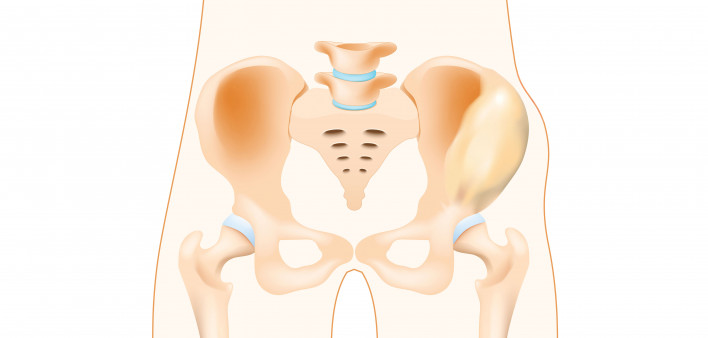
Bone sarcoma, or primary bone cancer, originates in the bone tissue. It doesn’t include cancer that starts elsewhere in the body and spreads to the bones. Sarcomas also occur in soft connective tissues, including fat, blood vessels, cartilage and muscles. Bone cancer is rare, accounting for just 1% of all cancers. The most prevalent type of primary bone cancer, osteosarcoma, mostly affects older children and young adults. Early detection and treatment of cancer boosts the likelihood of long-term survival. Visit these sites for information on this cancer.
The American Cancer Society raises awareness about bone cancer through a wealth of information about prevention, early detection, treatment and survival. Its website offers links to clinical trials, risk factors, life after treatment and more.
CancerCare offers specialized resources for bone cancer patients, such as support groups, community programs and virtual educational workshops. Connect with an oncology social worker for support and advice on treatment via the free Hopeline at 800-813-HOPE (4673).
The pediatric osteosarcoma nonprofit Make It Better for Kids With Osteosarcoma (MIB Agents) helps support and unite a range of patients, families, doctors and researchers. Its site offers patient and educational resources, volunteer opportunities, information about grants and family funds and more.
Rein in Sarcoma raises awareness, funds research, offers support groups and educates the public and health community about sarcomas. Its Sarcoma Patient Guidebook includes information on sarcoma prevention, diagnosis, survivorship and mental health as well as support for children, adolescents and young adults.
The Sarcoma Alliance offers several patient resources, including an up-to-date list of medical centers and hospitals specializing in sarcoma treatment. Its New Patient Guide offers answers to common questions about wellness, pain management, finances and quality of life.
Located in Santa Monica, California, the center is home to experts from nearby medical institutions. The website offers a collection of inspiring patient stories, links to patient support networks tailored to these unique cancers and the latest news and treatment updates.
Stupid Cancer supports adolescents and young adults with cancer through community events, meetups and educational materials. Its website offers information on mental health, nutrition and how to thrive with cancer.
The Osteosarcoma Institute’s OSI Connect is an easy-to-use free resource that links patients and their families to experienced osteosarcoma physicians who give advice about treatment, getting the most out of medical visits and more.
Osteosarcoma Now informs and connects the osteosarcoma community with resources that help patients and their families navigate a cancer diagnosis. Online tool kits offer information on important terms, accessing medical records and getting a second opinion.




Comments
Comments