


A cancer diagnosis comes with a hefty price tag. Of course, there’s the literal bill for surgeries, meds, doctor visits, scans and tests. But then you also have to add transportation costs, childcare, the potential loss of income and the snowballing challenge of meeting basic needs—like food, housing and utilities—all while dealing with increasing anxiety and emotional stress. The list goes on. This economic and psychological burden is known as financial toxicity.
A common side effect of cancer, financial toxicity can lead people to postpone appointments and even skip treatments. No wonder it’s associated with poorer health outcomes and lower quality of life.
Factor in today’s chaotic political climate, marked by rising insurance costs and massive cuts to health departments and social programs, like Medicaid and Medicare, and, well, it can feel like everything’s in crisis.
That’s why we’re devoting our seventh annual Cancer Health 25 feature to financial helpers and fundraisers. We want to amplify the lifesaving work of the countless experts, advocates and everyday angels out there who help people with cancer afford their care—and who ensure that cancer researchers and service providers remain funded.
Our Cancer Health 25 feature is not meant to be a “best of” or “the most important” list. That would be impossible. Instead, we aim to highlight exemplary work in a wide range of fields. You’ll meet compassionate patient navigators who answer phone calls and ease patients through financial worries; CEOs who steward hundreds of millions in funds; a cancer dad and a duo of doctors who help patients manage medical debt; event planners who put together star-studded galas; gracious cancer survivors—and a Star Trek team!—who are paying it forward; and much more. The 2026 Cancer Health 25 showcases eclectic and inspiring talents, all united in their devotion to helping cancer patients and fighting health inequities.
We owe these financial helpers a debt of gratitude.
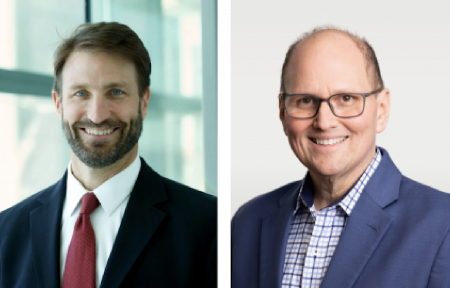
Alan Balch (left) and Kevin HaganCourtesy of Patient Advocate Foundation
Alan Balch and Kevin Hagan
Hampton, Virginia and Athens, Georgia
We kick off our Cancer Health 25 list with breaking news: Patient Advocate Foundation and the PAN Foundation—two leading nonprofits dedicated to helping patients access and afford healthcare—are merging. They’ll operate as Patient Advocate Foundation. Last year alone, they awarded $640 million in financial assistance to nearly 200,000 people. Effective July 1, Alan Balch, PhD, the CEO of the original Patient Advocate Foundation, will serve as executive chairman of the board of directors; Kevin L. Hagan, president and CEO of the PAN Foundation, will be the group’s new CEO. “By joining forces,” Hagan says, “we are creating a single, trusted destination for patients who need financial help, guidance and a clear path through a complex healthcare system.” Adds Balch: “We are expanding access to affordable, equitable healthcare at a time when the safety net is under tremendous strain.”
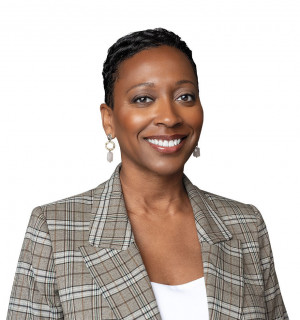
Eucharia BordenCourtesy of Eucharia Borden
Eucharia Borden
Philadelphia, Pennsylvania
A person’s income, ZIP code and language can create financial barriers to cancer prevention, care and survival. Eucharia Borden, MSW, LCSW, the vice president of programs and health equity at Family Reach, is a thought leader in efforts to better serve financially vulnerable populations; she’s also a past president of the Association of Oncology Social Work. A national nonprofit headquartered in Boston, Family Reach launched the Financial Resource Center to offer one-on-one support to cancer patients and help them afford basic needs—such as food and utilities—while FamilyReach.org offers educational resources, personal navigation tools and more. With Borden’s guidance, Family Reach’s impact—it supports over 50,000 people each year—will help lessen financial stress for those who feel it the most.
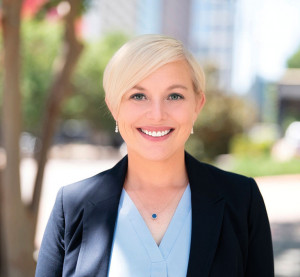
Courtney BuglerCourtesy of Courtney Bugler
Courtney Bugler
Atlanta, Georgia
As ZERO Prostate Cancer’s president and CEO, Courtney Bugler continues her legacy of leading national health nonprofits in program development, advocacy and fundraising, including previously spearheading Susan G. Komen’s signature fundraising events, Race for the Cure and the More Than Pink Walk. She is a caregiver to her father, who has prostate cancer, and she’s a 20-year cancer survivor herself. Under her leadership, ZERO launched Blitz the Barriers, a $20 million initiative to close gaps in prostate cancer and survival for those at increased risk, including Black men and veterans. Up next, Bugler is helping launch ZACH (ZERO’s Access to Community Health), the first AI-powered 24/7 text support tool for prostate cancer patients and families.
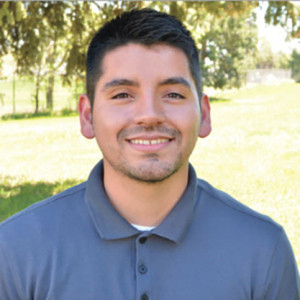
Carlo CaballeroCourtesy of Carlo Caballero
Carlo Caballero
Aurora, Colorado
A cancer diagnosis can be especially daunting when you can’t afford care and have limited English proficiency. Carlo Caballero, LPC, a bilingual patient navigator and counselor at the University of Colorado Anschutz Cancer Center who works with community members, including underserved Hispanic populations, knows how to help. He connects patients to financial assistance programs, co-pay support resources, transportation services, lodging grants and community resources for basic needs, such as rent or food. He and his team can then help patients receive uninterrupted cancer screening and treatment, learn about possible clinical trials and also access supportive care throughout the entire care continuum.
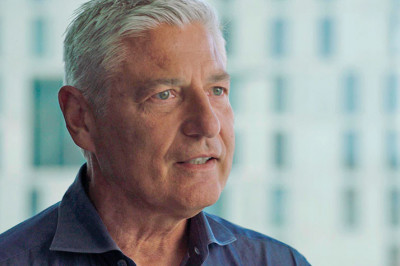
Tom DurovsikCourtesy of Tom Durovsik
Tom Durovsik
Philadelphia, Pennsylvania
Tom Durovsik, founder and CEO of FreedomPay, is helping reimagine how everyday transactions can support meaningful causes. Through its Gateway to Giving platform, FreedomPay enables consumers to contribute to charitable organizations via a simple tap-to-give option when they make a purchase. In partnership with Cancer Support Community (CSC), this innovation helps generate critical funding, with small acts of generosity adding up to meaningful impact. “Gateway to Giving makes it easy for people to support causes they care about in the moments they’re already engaged,” Durovsik says. Adds Sally Werner, RN, CSC’s CEO, “Innovative partnerships like this create new pathways to support Cancer Support Community’s mission. The funds generated help ensure we can continue providing essential programs and services to individuals and families impacted by cancer.”
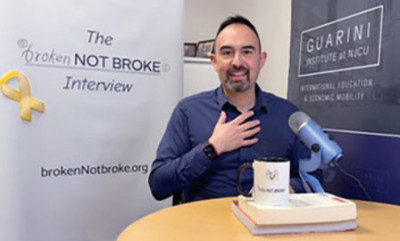
Adrián FrancoCourtesy of Adrián Franco
Adrián Franco
Jersey City, New Jersey
When Adrián Franco’s son was diagnosed with Ewing sarcoma in 2022, the family witnessed the financial toxicity of childhood cancer. But this cancer dad has a master’s and PhD along with high-level work experience in the economic sector, including as a director at the Federal Reserve Bank of New York. He’s also the executive director at the Guarini Institute for International Education and Economic Mobility at New Jersey City University, which helps boost the economic stability of families facing financial hardships. Inspired by his own experience, Franco launched brokenNotbroke, a database that provides quick information on over 450 organizations offering access to financial support for pediatric cancer patients. Users at brokenNotbroke.org simply enter their location, cancer type and the support they need, and they’ll receive a list of helpful groups and links to applications. Franco also hosts The brokenNotbroke Interview, a monthly podcast.
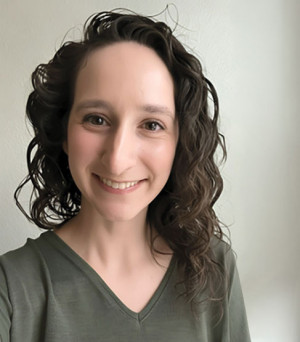
Haley GoldCourtesy of Haley Gold
Haley Gold
Austin, Texas
As operations director at the National Cancer Information Center (NCIC), a service of the American Cancer Society, Haley Gold coordinates the organization’s key partnerships with other groups. Last year, Gold collaborated with the Patient Advocate Foundation to distribute direct financial assistance—through the society’s Cancer Care Continuity Fund—to patients experiencing unexpected challenges. She facilitated the distribution of $65,000 to support cancer patients affected by wildfires in Southern California and $300,000 to those facing food insecurity when their SNAP (also known as food stamps) benefits were frozen. Gold coordinated the training and referral processes for NCIC staff that connected patients with navigators. “The financial burden of cancer is high,” Gold says, “and is only exacerbated by unexpected circumstances, like natural disasters and changes to benefits.”
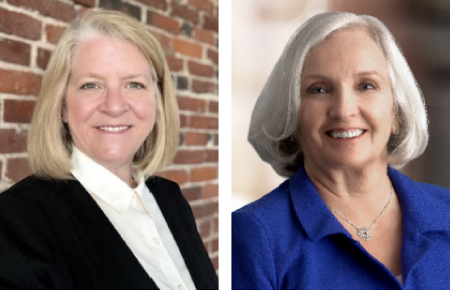
Anne Gutch (left) and Gwen NicholsCourtesy of Blood Cancer United
Anne Gutch and Gwen Nichols
Washington, DC
Nearly half of cancer patients and survivors report being burdened by medical debt, and many forgo needed treatment. At Blood Cancer United, senior vice president Anne Gutch and chief medical officer Gwen Nichols, MD, decided to do something about it. They championed and launched the nonprofit’s Medical Debt Case Management Program, which provides patients with one-on-one, personalized support to settle their medical debt. Case managers identify ways to reduce current and future medical debt by helping patients apply for charity care, obtain affordable insurance, negotiate medical bills and appeal insurance denials. Since the program’s launch in September 2024, Blood Cancer United has helped resolve or prevent more than $8.2 million in patient medical debt.

Jennifer HughesCourtesy of Jennifer Hughes
Jennifer Hughes
San Carlos, California
Jennifer Hughes joined GO2 for Lung Cancer, the nation’s leading lung cancer advocacy group founded by patients and survivors, more than 15 years ago. Her childhood friends, daughters of founder Bonnie J. Addario, had helped her through her father’s cancer. As senior director for national events, she appreciates how the annual Simply the Best gala celebrates the strength and resilience of the lung cancer community. Its awards recognize pioneers in lung cancer research, innovators in expanding treatment options and caregivers, whose vital role is often overlooked. The $17 million the gala has raised over two decades supports the organization’s patient-centric mission, which includes one-on-one patient services, screening and treatment navigation, and research funding to accelerate cures.
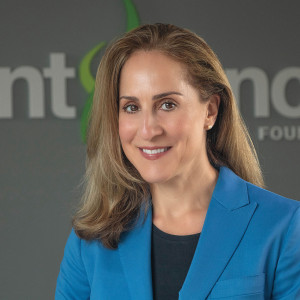
Jody HoyosCourtesy of Jody Hoyos
Jody Hoyos
Alexandria, Virginia
The Prevent Cancer Foundation aims to reduce cancer deaths by 40% by 2035. To achieve this bold goal, it funds research as well as community organizations that support cancer prevention, early detection, vaccinations and screenings. Since 2007, it has awarded over 130 grants to projects in 38 states, including the Midwest Asian Health Association and Canoncito Band of Navajos Health Center. Its upcoming grant cycle supports organizations serving residents of rural areas, another underserved population. At the helm of this vital nonprofit is CEO Jody Hoyos, MHA, who bridges philanthropy, policy and community impact. “We understand how vital routine cancer screenings are to improving health outcomes,” Hoyos says. “At a time when research funding is increasingly limited, we are more committed than ever to supporting the work—and the people—that move us toward better outcomes for all.”
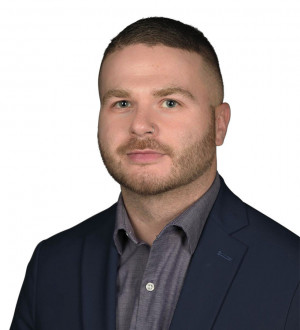
Michael KingCourtesy of Michael King
Michael King
Washington, DC/Baltimore Area
As a nonprofit that offers financial grants to help underinsured patients cover medication and treatment costs, the HealthWell Foundation handled over 45,000 calls a month last year. That’s a lot of important conversations. Luckily, the patients, caregivers and pharmacies on the line are in good hands. Michael King is the program director of HWF Direct, a subsidiary of HealthWell. He oversees operations and customer experience to ensure that each caller receives compassionate, compliant and completely satisfactory assistance. “Our compassionate contact center team is ready to ease the worry about how to pay for critical treatments,” King says, “so patients can focus on what matters most: their care.” Thanks to King and the HealthWell team, in 2025 the foundation awarded more than 123,000 grants to over 117,000 cancer patients. In fact, since 2004, HealthWell has provided medication copayment and insurance premium assistance to over half a million people living with cancer.
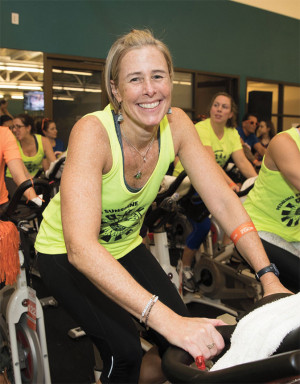
Kelly LeachCourtesy of Kelly Leach
Kelly Leach
Chatham, New Jersey
A rare cancer isn’t rare for the person who has one. But funding research can be challenging. In 2014, Kelly Leach, a mom of two who had lost her own mom to cervical cancer, was diagnosed with Ewing sarcoma, a rare cancer, and treated successfully at Memorial Sloan Kettering Cancer Center (MSK) in New York City. In 2016, on the last day of radiation, she and her husband, David, registered their team, Pedaling Sunshine, in Cycle for Survival, MSK’s fundraising program, which holds team stationary-cycling events in Equinox gyms. Pedaling Sunshine, for which Leach recruits family and friends nationwide, has since raised $3.7 million. Since 2007, Cycle for Survival has raised $450 million to support groundbreaking research on rare cancers at MSK.
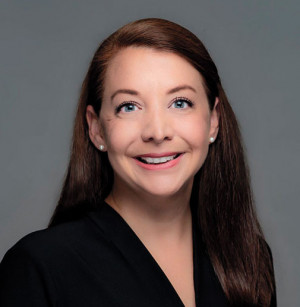
Nati McWilliamsCourtesy of Nati McWilliams
Nati McWilliams
Houston, Texas
As the vice president and chief philanthropy officer at the University of Texas MD Anderson Cancer Center, Nati McWilliams leads the institution’s fundraising efforts and philanthropic strategy. Of note, she oversees UT MD Anderson’s historic $2.5 billion philanthropic initiative, Only Possible Here, The Campaign to End Cancer, which launched last November as the largest fundraising effort in the center’s history. Thanks to McWilliams’s leadership and her team’s enduring alliances with donors, corporations and foundations, UT MD Anderson is better funded to deliver groundbreaking research and world-class cancer care.
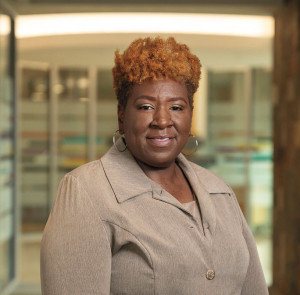
Trena MitchellCourtesy of Trena Mitchell
Trena Mitchell
Little Rock, Arkansas
The Arkansas Cancer Coalition partners with organizations and programs throughout the state “to reduce the human suffering and burden from cancer.” It raises awareness, holds summits, connects and educates advocates and, importantly, provides funding to groups doing the on-the-ground work. The coalition offers competitive community grants of up to $55,000 for local groups and mini grants of up to $4,000 for evidence-based projects geared toward prevention, detection and care (including transportation for cancer patients). Plus, its website includes a financial assistance directory of 44 organizations. Leading all these efforts is executive director Trena Mitchell, CNP, who melds public health leadership with community philanthropy at this lifesaving, cancer-fighting coalition.
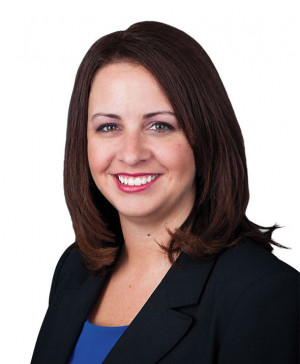
Jodi OmearCourtesy of Jodi Omear
Jodi Omear
Arlington, Virginia
Triage Cancer’s chief operating officer, Jodi Omear, ensures that people nationwide can access the trusted resources and tools they need to navigate the legal and financial effects of a cancer diagnosis, including those concerning health insurance, employment rights, disability insurance and medical bills. Omear also helps obtain funding so Triage Cancer can continue to offer its services free of charge. Through strategic partnerships, donor engagement and development efforts, she helps sustain and grow programs that empower cancer patients to understand their rights and reduce their financial burden.
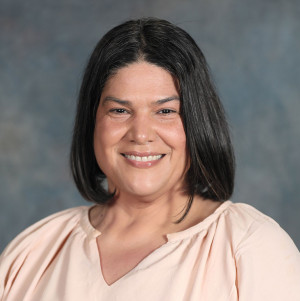
Vilmarie RodriguezCourtesy of Vilmarie Rodriguez
Vilmarie Rodriguez
New York, New York
An oncology social worker and the vice president of patient assistance and community engagement at CancerCare, Vilmarie Rodriguez has overseen the organization’s financial assistance department for nearly a decade. (Of note, CancerCare is a leading member of the Cancer Financial Assistance Coalition, cancerfac.org, a one-stop resource for patients facing economic challenges.) When Hurricane Maria devastated Puerto Rico in September 2017, Rodriguez helped lead CancerCare’s response, providing emergency financial assistance to ensure that people with cancer could continue receiving treatment. “We were able to raise $665,000 for direct financial assistance to 809 patients, and we facilitated over 1,000 rides for patients on the island,” Rodriguez recalls. “We’re not just looking at the person and the cancer diagnosis but every aspect of how that diagnosis has affected their life and how we can help them improve it.”
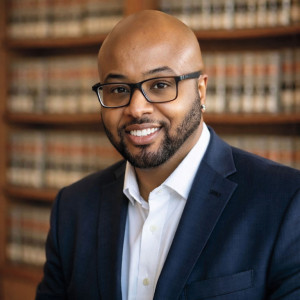
Charles R. RogersCourtesy of Charles R. Rogers
Charles R. Rogers
Atlanta, Georgia
The tragic death in 2020 of Black Panther star Chadwick Boseman confirmed what behavioral scientist and health inequities expert Charles R. Rogers, PhD, MPH, already knew: Younger adults, particularly Black men, are being diagnosed with and dying of advanced colorectal cancer at higher rates. To promote screening, prevention and open dialogue, Rogers launched the Colorectal Cancer Equity Foundation, now based in Atlanta. As countless nonprofit leaders can attest, the job comes with financial challenges. “Learning to step into the role of fundraiser required a mindset shift. I had to see it not as asking for support but as inviting others into lifesaving work,” Rogers, the foundation’s president, told VoyageATL magazine. “Entrepreneurship in this space looks different from traditional start-ups. The product is prevention. The currency is trust. The return on investment is measured in lives saved and families preserved.”

Ruth Schlesinger and other members of the Komen Patient Care CenterCourtesy of Ruth Schlesinger
Ruth Schlesinger
Dallas, Texas
Navigating healthcare systems can be daunting under the best of circumstances; a cancer diagnosis and financial upheaval only compound the anxiety. Thankfully, the team of patient navigators at Susan G. Komen, a nonprofit focused on breast cancer, offers a host of free services and resources, including help with emotional support, access to clinical trials and, yes, financial issues, such as insurance denials. Led by Ruth Schlesinger, MPH, senior director of the Komen Patient Care Center, navigators help patients cut through the chaos and overcome barriers and fears. Of note, these bilingual experts can direct clients to Komen’s financial assistance program, available to those who meet the income requirement or are currently in active treatment or living with metastatic breast cancer.
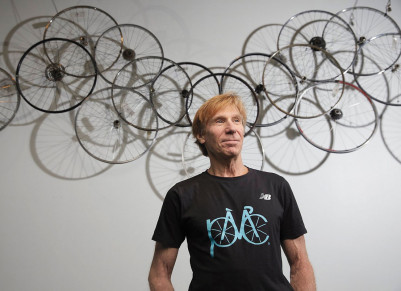
Billy StarrCourtesy of Billy Starr
Billy Starr
Needham, Massachusetts
In 1974, when he was 23, Billy Starr lost his mom to melanoma, a skin cancer. She was 49. In 1980, her athletic son rallied 36 buddies for a ragtag two-day Massachusetts bike ride, getting lost but raising $10,200 for the Dana-Farber Cancer Institute. Since 1980, the Pan-Mass Challenge, the world’s most successful athletic fundraiser, has raised more than a billion dollars. What’s more, 100% of every rider-raised dollar benefits cancer research and treatment at Dana-Farber. Last year, 6,600 riders, 3,400 volunteers and 300,000 donors participated. Many riders, often motivated by personal cancer stories, do the ride every year, some for decades. One of them is founder and director Starr, now 75.
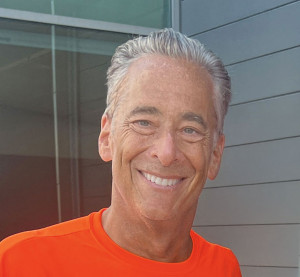
Joel SternCourtesy of Joel Stern
Joel Stern
Kildeer, Illinois
When he was diagnosed with Stage IV clear cell renal cell carcinoma in November 2020, Joel Stern wasn’t sure he’d live to see the next year. But he vowed to turn his experience into action. He connected with the Kidney Cancer Association (KCA) to establish the Joel Stern Endowment for Patient Resources, which provides education programs, in-person events and expanded access to critical information. Today, Stern continues to raise funds as he actively undergoes kidney cancer treatment. A board member emeritus for KCA, he remains passionate about investing in community-building, education and research. “I couldn’t find a better way of enhancing my legacy,” he says, “than to help advocate for other renal cell carcinoma patients.”
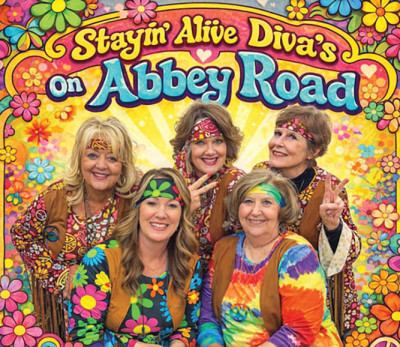
Rita Taylor (far right) and the diva fundraisersCourtesy of Rita Taylor
Rita Taylor and the Stayin’ Alive Divas
Portland, Tennessee
Rita Taylor is a two-time cancer survivor and a decades-long activist who has spent the last 30 years fundraising with American Cancer Society’s Relay for Life. She’s also the founder of the Stayin’ Alive Divas, a group of women who have raised over $100,000 for the American Cancer Society via entertaining and educational musicals. In addition to ticket sales, funds are raised through auctions held the weekend of the show, with one-of-a-kind items, like quilts, table runners and cakes, donated by community members. This year’s musical parodied Beatles songs to promote screening and prevention. “Our shows are educational because I feel strongly that people need to get their screenings,” Taylor says. Their trip down Abbey Road paid off: The ninth annual performance raised over $45,000.
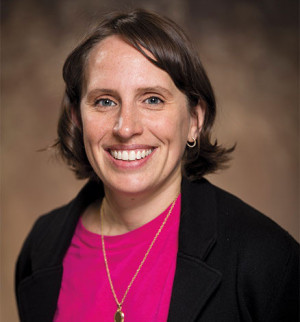
Bridgette ThomCourtesy of Bridgette Thom
Bridgette Thom
Chapel Hill, North Carolina
Financial toxicity entails more than mounting medical bills. What are the best ways to identify such issues, screen for people at risk and then help patients with cancer navigate these challenges? Bridgette Thom, PhD, an assistant professor at the University of North Carolina at Chapel Hill’s School of Social Work and a member of the UNC Lineberger Comprehensive Cancer Center, has made understanding and answering these questions the focus of her work. Also a member of the Association of Oncology Social Work, Thom says: “In trying to develop solutions, my work centers the patient with cancer but considers all of the systems at play that may contribute to financial toxicity.”
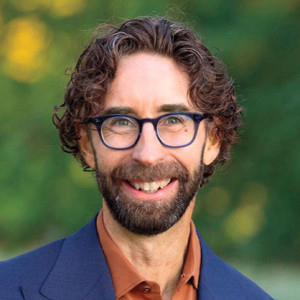
Luke TimmermanCourtesy of Timmerman Report/Meryl Schenker Photography
Luke Timmerman
Seattle, Washington
Biotech journalist and podcaster Luke Timmerman knows about overcoming uphill battles. An avid outdoorsman and climber, he has summited Mount Everest, the highest mountain in the world. Since 2017, his Timmerman Traverse fundraising campaigns have trained biotech executives and investors to climb various mountains across the globe. They’ve raised over $15 million for cancer research, anti-poverty initiatives and screening for sickle cell disease. Several treks have supported the Damon Runyon Cancer Research Foundation and the Fred Hutchinson Cancer Center. In February, a Timmerman Traverse team reached the top of Mount Kilimanjaro, the highest mountain in Africa, raising $1.2 million for Damon Runyon, which itself has been funding bold scientific minds in cancer research for over 75 years.
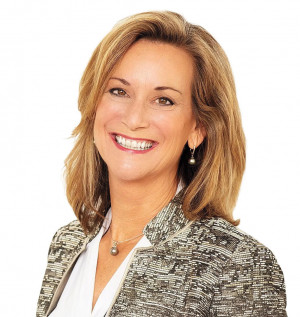
Robin ToftCourtey of Robin Toft
Robin Toft
San Diego, California
Curebound is a community-powered cancer research nonprofit based in San Diego. It launched in 2021 when two cancer groups—Padres Pedal the Cause and the Immunotherapy Foundation—joined forces. To date, Curebound has awarded $51.5 million in cancer research grants to interdisciplinary, cross-institutional teams. January 1 marked a new era for Curebound: After two years on the group’s board, Robin Toft stepped up as the new CEO. For Toft, a philanthropist and investor with over two decades of experience in life sciences and oncology organizations, the fight is also personal: She’s a 20-year colon cancer survivor. “We are not just funding hope,” she says, “we are taking action.”
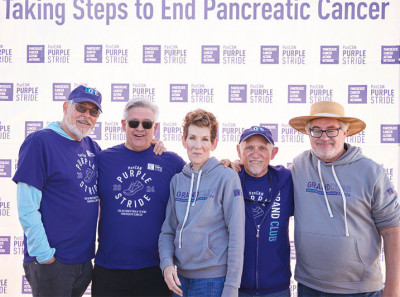
Trek against Pancreatic Cancer TeamCourtesy of Pancreatic Cancer Action Network
Trek Against Pancreatic Cancer
Los Angeles, California
“No one believes in science and hope for the future more than Star Trek fans,” writes the Trek Against Pancreatic Cancer team on its fundraising webpage for the Pancreatic Cancer Action Network’s annual PurpleStride walk. Yes, team members are involved in various Star Trek franchises. Led by team captain Kitty Swink (Deep Space Nine), herself a 22-year pancreatic cancer survivor, and including actors Jonathan Frakes, Armin Shimerman, John Billingsley and Juan Carlos Coto, the Star Trek team has boldly raised funds for six consecutive years, bringing in nearly $173,000 this year alone. With the support of financial helpers and fundraisers like these and others on our Cancer Health 25 list, everyone affected by cancer has a better chance to live long and prosper.




Comments
Comments