
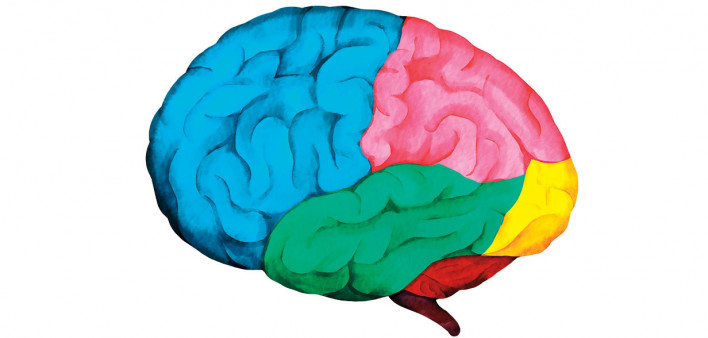
The brain is a complex organ that controls thoughts, memory, emotion, motor skills and much more. Cancers that arise in the brain and the spinal cord are referred to as primary central nervous system (CNS) tumors. Cancer that develops elsewhere in the body can also spread, or metastasize, to the brain; these secondary tumors are often called brain mets but not brain cancer. CNS cancers are uncommon, and survival rates vary. The most common tumors are meningiomas (typically benign) and gliomas (including aggressive glioblastoma). As many types of brain cancer have no known risk factors, early detection and treatment increase the likelihood of long-term survival. Check out these resources for more details.
American Brain Tumor Association
The American Brain Tumor Association aims to advance the understanding and treatment of brain tumors. Its website features educational webinars, books and brochures for patients, caregivers and medical professionals. It also offers virtual support groups and financial assistance programs.
The American Cancer Society raises awareness about brain cancer through a wealth of information about different types of brain cancer, early detection and treatment. Its website offers links to clinical trials and information on risk factors, life after treatment, survival rates and more.
Brain Tumor Network provides individualized navigation and support to individuals and families. Its free patient navigation service connects cancer patients to oncology social workers, who can provide resources and advocacy specific to one’s unique needs and situation.
CancerCare offers specialized resources for brain cancer patients, such as support groups, community programs and virtual educational workshops. Connect with an oncology social worker for support and advice on treatment via the free Hopeline at 800-813-HOPE (4673).
This nonprofit offers free, confidential one-on-one support to people with cancer and their families. The organization links cancer patients and their relatives to trained volunteers who have undergone and recovered from a similar cancer experience. Its website includes materials and resources for caregivers and health care professionals in Spanish and English.
End Brain Cancer Initiative advocates for access to advanced treatment options and educates the public on brain tumors. Its online shop features a selection of books on navigating brain cancer, grief, spirituality and more. All proceeds benefit the initiative’s fundraising efforts.
Aiming to transform care and treatment for one of the most aggressive brain cancers, the Glioblastoma Foundation supports the development of new drugs and therapies while raising awareness and funds.
The National Brain Tumor Society invests in and unites the brain tumor community. Its website offers downloadable tool kits that answer key questions about diagnosis, recovery, survivorship and cancer recurrence. The NBTS Personalized Patient Support and Navigation team meets with patients and care partners to empower, educate and share resources.



Comments
Comments