
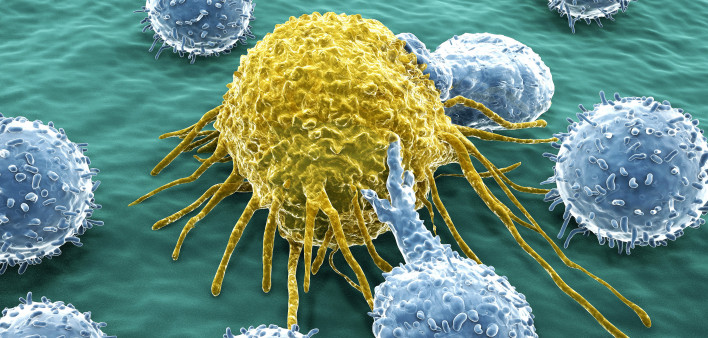
From surgery, radiation and chemotherapy to precision targeted therapy and immunotherapy, cancer treatment has come a long way. Unlike traditional chemotherapy, which directly kills cancer cells, immunotherapy helps the immune system hunt down and attack malignant cells.
Immune Cells
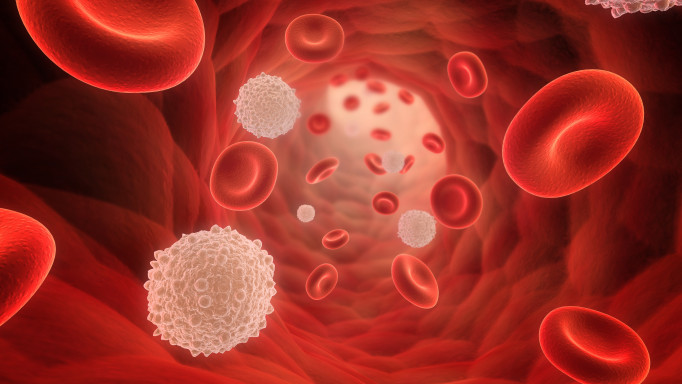
Many immunotherapy works by boosting immune cell activity. T cells, a type of white blood cell produced in the bone marrow, are the main soldiers in the immune response against cancer. Killer T cells (also known as CD8 cells) destroy cells infected with viruses and abnormal cells. Helper T cells (CD4 cells) coordinate the overall immune response. B cells produce antibodies. Natural killer (NK) cells provide a more rapid response against pathogens and malignant cells.
Immune cells continuously patrol the body looking for abnormalities, but cancer can sometimes hide from the immune system or disable normal immune responses, allowing malignant cells to grow out of control.
Checkpoint Inhibitors
Checkpoint inhibitors—the most widely used type of immunotherapy—are monoclonal antibodies that boost T cells’ ability to recognize and destroy malignant cells.
Several approved checkpoint inhibitors block the PD-1 receptor on T cells or PD-L1, its binding partner on cancer cells. PD-1 is an immune checkpoint that acts as a brake on T-cell activity. Drugs that interfere with the interaction between PD-1 and PD-L1 can release the brakes and restore a robust immune response. Keytruda (pembrolizumab) and Opdivo (nivolumab) are PD-1 inhibitors, while Imfinzi (durvalumab) and Tecentriq (atezolizumab) are PD-L1 blockers.
CTLA-4 is another immune checkpoint that suppresses T-cell multiplication. Yervoy (ipilimumab) and Imjudo (tremelimumab) are CTLA-4 inhibitors. Opdualag is a combination therapy that consists of nivolumab plus relatlimab, which blocks a checkpoint protein called LAG-3.
Checkpoint inhibitors work best against “hot,” or inflamed, tumors—such as melanoma and non-small-cell lung cancer—that have many mutations and attract immune cells. They don’t work as well against “cold” tumors, such as pancreatic and prostate cancer. Cancers with a deficient DNA mismatch repair system (known as dMMR) or high microsatellite instability (MSI-H) respond especially well to checkpoint inhibitors.
Adoptive Cell Therapies
Adoptive cell transfer therapies involve direct administration of immune cells. In an autologous transfer, a sample of cells are removed from a patient using a process called apheresis, multiplied and sometimes modified in a lab and returned them to the same individual.
An allogeneic transfer uses immune cells from someone else, for example a stem cell transplant from a matched donor. In some cases, the patient’s diseased or ineffective immune cells are first killed off with strong chemotherapy to make room for the new ones.
One approach involves collecting immune cells from a patient’s tumor, including T cells and natural killer cells. These naturally occurring tumor-infiltrating lymphocytes (TILs)—which have proven cancer-fighting ability—are multiplied and returned to the patient in large numbers. Another method uses a harmless virus to insert genes into a patient’s T cells to make them express naturally occurring T-cell receptors (TCRs) that can recognize cancer antigens.
CAR-T Therapy
Chimeric antigen receptor T-cell therapy—better known as CAR-T—is a type of adoptive cell therapy in which a patient’s T cells are genetically reprogrammed using artificial receptors engineered in a lab. These synthetic receptors bind to cancer cells better than natural TCRs.
For this treatment, a sample of a patient’s T cells are collected and sent to a manufacturing facility, where they are genetically modified and multiplied to create a customized “living drug.” A single infusion of modified T cells can sometimes lead to a complete response that lasts for years.
Several approved CAR-T therapies recognize and bind to the CD19 protein on B cells, which grow out of control in some types of leukemia and lymphoma. Others target BCMA (B-cell maturation antigen) expressed on multiple myeloma cells.
Current CAR-T therapies work best against blood cancers, but researchers are testing new options to treat solid tumors. In addition, they are working on off-the-shelf CAR-T therapies that do not require harvesting and modifying each patient’s own T cells. CAR-NK therapies are also now in development.
Immune Modulators
Cytokines are messenger proteins that immune cells use to communicate. Manufactured versions of natural cytokines that regulate immune responses, such as interleukins and interferons, may be used to boost immune activity against cancer cells. For example, interleukin 2 (IL-2), which activates T cells, is approved to treat advanced melanoma and kidney cancer.
Immunomodulatory, or immune-modifying drugs derived from thalidomide, such as Thalomid (thalidomide), Pomalyst (pomalidomide) and Revlimid (lenalidomide), boost immune function by stimulating T cell and NK cell activity. They are used to treat some blood cancers, especially multiple myeloma. Anktiva (nogapendekin alfa inbakicept), approved for bladder cancer, is an IL-15 receptor “superagonist” that activates NK cells and killer T cells.
Antibody Therapies
Bispecific antibodies are engineered molecules with two binding sites. Bispecific T-cell engagers (BiTEs), such as Blincyto (blinatumomab) and Imdelltra (tarlatamab), have one site that attaches to a T cell and another that binds to a cancer cell, creating a bridge to bring the T cell close enough to attack the cancer.
Antibody-drug conjugates (ADCs) combine features of immunotherapy, targeted therapy and chemotherapy. They consist of an antibody that recognizes a specific target on cancer cells and a cytotoxic drug payload. For example, Enhertu (fam-trastuzumab deruxtecan), used to treat HER2-positive breast, stomach and lung cancer, employs the HER2-directed antibody trastuzumab (Herceptin). ADCs enable delivery of potent chemotherapy directly to malignant cells, reducing collateral damage to normal cells.
Oncolytic Viruses
Oncolytic viruses, which can be naturally occurring or genetically engineered, infect and kill cancer cells. As malignant cells are destroyed, they release antigens that trigger immune responses, recruiting immune cells to attack even uninfected cancer cells. Imlygic (talimogene laherparepvec), a genetically engineered herpesvirus used to treat melanoma, is an example of this type of therapy.
Cancer Vaccines
Cancer vaccines are one of the most promising areas of immunotherapy research. Therapeutic vaccines used for cancer treatment work differently than preventive vaccines that protect against cancer-causing hepatitis B virus or human papillomavirus.
Personalized messenger RNA (mRNA) vaccines train T cells to recognize mutated proteins known as neoantigens collected from a patient’s tumor after surgery. They are showing promise against melanoma, pancreatic cancer and other malignancies. Researchers are also working on off-the shelf vaccines that don’t need to be custom-made for each patient. Cancer vaccines are often combined with checkpoint inhibitors, which has the effect of releasing the brakes and stepping on the accelerator at the same time.
One of the only approved therapeutic cancer vaccines, Provenge (sipuleucel-T), works by removing a sample of dendritic cells—immune cells that present antigens to T cells—exposing them to a common prostate cancer antigen in a lab and returning them to the patient. BCG (Bacillus Calmette-Guérin), a tuberculosis vaccine, stimulates immune cells to fight bladder cancer. The oncolytic virus Imlygic is sometimes considered a vaccine.
Side Effects of Immunotherapy
Immunotherapy may be better tolerated than traditional chemotherapy or radiation, which kill not only cancer cells but also rapidly dividing healthy cells throughout the body, leading to a wide range of side effects.
But immune-based therapies can cause their own adverse effects. Boosting or taking the brakes off T cells can lead to excessive immune responses that harm healthy tissues, with symptoms ranging from fever and flu-like symptoms to organ failure and death.
Checkpoint inhibitors work by restoring immune responses against cancer cells, but they can also activate the immune system more broadly. These drugs can cause excessive inflammation of almost any organ, including the lungs, intestines, and hormone-producing endocrine glands.
CAR-T therapy can trigger a potentially fatal immune reaction, known as cytokine release syndrome, as well as neurotoxicity. Severe side effects may include low blood pressure, brain swelling and organ failure. Immune-suppressing medications can help calm these overactive immune responses.
The Future of Immunotherapy
Immunotherapy has seen impressive advances in recent years, and it can lead to long-term remission—and potentially a cure—for some people. But it doesn’t work for everyone or for all types of cancer, and it’s hard to tell in advance who will respond well. What’s more, existing immunotherapies do not work well against some of the most common solid tumors (such as breast and prostate cancer) or hard-to-treat cancers (like pancreatic cancer).
Researchers are looking for biomarkers that can help predict who will benefit and exploring ways to make “cold” tumors susceptible to immune-based treatment. The best outcomes may come from combining different approaches. Hundreds of immunotherapy clinical trials are underway, and this can be a good way to gain access to promising experimental treatments.
The following resources offer more information about cancer immunotherapy:
National Cancer Institute: Immunotherapy to Treat Cancer
Last Reviewed: April 28, 2026