
What is lymphoma?
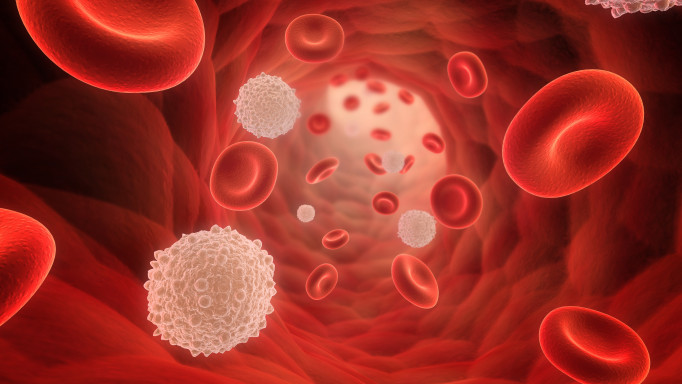
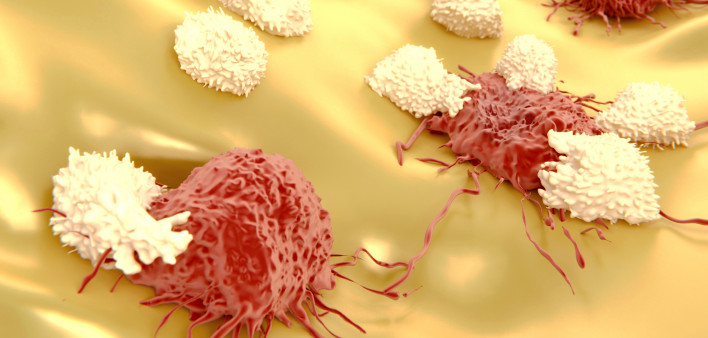
Lymphoma occurs when immune system white blood cells known as lymphocytes grow out of control. It usually involves B cells, but some forms affect T cells or natural killer (NK) cells. There are two main types, Hodgkin lymphoma and non-Hodgkin lymphoma, each of which has multiple subtypes. Lymphoma can often be put into remission and in some cases can be cured, but fast-growing lymphoma can be life-threatening.
Lymphoma begins in the lymphatic system—a network of lymph vessels and organs that play a role in immune function and waste removal. It may arise in the lymph nodes, bone marrow (the spongy tissue inside bones where blood cells are produced), the tonsils (immune organs at the back of the throat), the thymus (an organ in the chest where T cells develop), the spleen (an organ near the stomach that stores and recycles blood cells) or lymph tissue in the gut. Over time, it can spread elsewhere in the body, a process known as metastasis.
How is lymphoma classified?
Hodgkin lymphoma is characterized by the buildup of large abnormal B cells called Reed-Sternberg cells in the lymph nodes. Classic Hodgkin lymphoma, the most common type, typically starts in lymph nodes in the chest, armpits or neck. It may spread through lymph vessels to other lymph nodes, but it usually does not spread elsewhere in the body. It generally responds well to treatment and can often be cured.
Non-Hodgkin lymphoma (NHL) is about 10 times more common that Hodgkin lymphoma. NHL may be either aggressive (fast-growing) or indolent (slow-growing). It is further classified according to the specific type of lymphocytes involved, how the cells look and their biomarkers or genetic characteristics. More than 80% of people with NHL in the United States have B-cell lymphomas, with T-cell and NK-cell lymphomas being less common, but the distribution differs around the world.
Diffuse large B-cell lymphoma (DLBCL) is the most common type of NHL, accounting for nearly a third of cases. DLBCL can grow rapidly and usually requires prompt treatment, but response is generally good. Burkitt lymphoma, a very aggressive form, is linked to Epstein-Barr virus. Primary central nervous system lymphoma is an uncommon form of B-cell NHL that starts in the brain or spinal cord.
Follicular lymphoma is the most common indolent type of B-cell NHL, accounting for about 20% of lymphoma cases. Marginal zone lymphoma, which affects mature B cells, and mantle cell lymphoma are also slow-growing. Indolent lymphomas often do not need to be treated right away, but sometimes they can evolve into DLBCL.
Small lymphocytic lymphoma (SLL) is similar to chronic lymphocytic leukemia (CLL), but abnormal B cells are more likely to be found in the lymph nodes in people with SLL versus in the bloodstream in those with CLL.
There are several types of T-cell lymphoma, most of which are uncommon. T-cell NHL accounts for about 10% of NHL cases. Precursor T-lymphoblastic lymphoma is an aggressive cancer characterized by excessive immature T cells in the lymph nodes and thymus. Peripheral T-cell lymphoma and cutaneous T-cell lymphomas involve more mature T cells. NK cell lymphoma makes up around 1% of cases.
What are the risk factors for lymphoma?
NHL is about 10 times more common than Hodgkin lymphoma in the United States. Hodgkin lymphoma is most likely to occur among teens and young adults, but the risk rises again for seniors. A majority of people who develop NHL are over 60, and it is more common among men than women. However, primary mediastinal B-cell lymphoma, a rare type of DLBCL, more often affects young women. Together, Hodgkin and non-Hodgkin lymphomas account for about 10% of all childhood cancers.
Risk factors for lymphoma include genetic mutations, family history, to radiation and exposure to certain chemicals. People with compromised immunity, such as those with untreated HIV and those taking immune-suppressing drugs, are at higher risk for lymphoma, as are people with certain autoimmune diseases.
Some types of lymphoma are linked to infections, including Epstein-Barr virus (a virus in the herpes family), human herpes virus 8 (Kaposi sarcoma-associated herpesvirus) and human T-cell lymphotropic virus 1 (a retrovirus), hepatitis C virus and Heliobacter pylori (bacteria that cause stomach ulcers).
What are the symptoms of lymphoma?
Many people with lymphoma do not have symptoms during early stages of disease. Later symptoms depend on where the cancer is located, for example in the abdomen, chest or brain. As the cancer progresses, symptoms may include:
- Swollen lymph nodes
- Fever, chills and night sweats
- Fatigue
- Loss of appetite or unintentional weight loss
- Frequent infections
- Shortness of breath, chest pain or cough
- Abdominal pain or bloating
- Skin rash or itchy skin
Swollen lymph nodes due to lymphoma are often painless, while those that result from an infection tend to be tender or sensitive to touch.
How is lymphoma diagnosed?
Early detection and treatment of lymphoma increases the likelihood of good outcomes. The process of diagnosis starts with a physical exam and health history, including how long symptoms have been present. A doctor will check for swollen lymph nodes and an enlarged spleen or liver.
A blood test known as a complete blood count takes an inventory of the different types of blood cells. An enzyme called lactate dehydrogenase is often elevated in people with leukemia. A sample of lymph node tissue or bone marrow (a biopsy) may be removed and examined under a microscope. Lymphoma cells look abnormal under a microscope and may have mutations that can be detected with genomic tests. Genetic changes and other characteristics help determine the type of lymphoma and its potential treatment. Imaging tests, such as CT or PET scans, may be done to see how much the cancer has spread.
How is lymphoma treated?
Treatment for lymphoma varies according to the type of disease, how fast it’s growing, how much it has spread, and the patient’s age and previous treatment history. Cancer that has not responded to prior therapy (known as refractory) or has relapsed is harder to treat.
Watchful waiting: In some cases, particularly if the cancer is indolent, treatment may be delayed while the patient is monitored for signs of disease progression, known as active surveillance.
Surgery: Some localized lymphomas (for example, lymphoma confined to the spleen) may be surgically removed.
Spleen removal: The spleen, which removes old blood cells from circulation, may be removed if it becomes enlarged.
Radiation: Radiation is used to reduce the number of abnormal white blood cells. It may be used in conjunction with other forms of treatment.
Chemotherapy: Traditional chemotherapy works by killing fast-growing cancer cells. However, it can also destroy healthy cells, leading to side effects such as nausea, hair loss and peripheral neuropathy. Chemotherapy for lymphoma generally involves a combination of drugs.
Targeted therapy: Targeted drugs work against cancers with specific characteristics. For example, they may target specific genetic mutations or interfere with signaling pathways that regulate cell growth. Several tyrosine kinase inhibitors are used to treat leukemia.
Immunotherapy: This type of treatment helps the immune system fight cancer. For example, drugs known as immune checkpoint inhibitors can restore T cells’ ability to recognize and destroy cancer cells. Monoclonal antibodies that target the CD20 protein on B cells and bispecific antibodies may be used to treat some types of lymphoma.
CAR-T therapy: Chimeric antigen receptor T-cell therapy involves removing a sample of a patient’s T cells, reprogramming them in a lab them to attack their cancer and infusing them back into the body.
Stem cell transplant: Bone marrow contains stem cells that give rise to all types of blood cells. A patient’s cancerous blood cells are destroyed with chemotherapy and sometimes radiation and replaced with either stored stem cells from the same individual (autologous transplant) or new cells from a matched donor (allogeneic transplant).
Targeted therapy and CAR-T therapy were originally developed for blood cancers like leukemia and lymphoma. Some people respond very well to treatment, remaining cancer-free for years, but others do not respond as well or experience recurrence. Many clinical trials are underway to test experimental therapies for different types of lymphoma.
For more information about lymphoma, see the following resources:
American Cancer Society: Hodgkin Lymphoma
American Cancer Society: Non-Hodgkin Lymphoma in Adults
American Cancer Society: Non-Hodgkin Lymphoma in Children
Last Reviewed: October 27, 2025