

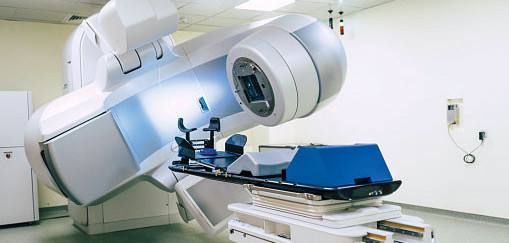
Shorter radiation regimens are better tolerated and do not compromise treatment effectiveness, according to research presented at the American Society for Radiation Oncology annual meeting.
One study found that a single dose of precisely targeted radiation after surgery provides the same local disease control as the standard five-week course for patients with non-small-cell lung cancer, but with fewer side effects. Another study showed that stereotactic body radiation therapy (SBRT) or surgery led to similar survival outcomes at 10 years for patients with early- stage lung cancer, with radiation offering quality-of-life benefits.
SBRT is a type of hypofractionated radiation therapy that gives larger doses in fewer sessions, delivering more radiation to tumors and a minimal amount to surrounding heathy tissue.
A third trial found that men with intermediate-risk localized prostate cancer who received five SBRT sessions were slightly more likely to experience disease progression at three years (mostly rising prostate-specific antigen levels) than those who underwent 20 or 28 sessions, but fewer patients reported declines in bowel, urinary and sexual function. Earlier this year, Swedish researchers reported that a two-week course of radiation for prostate cancer was as safe and effective as an eight-week course after 10 years of follow-up.
Finally, a study published in The Lancet Oncology showed that a shorter, less intense course of radiation and chemotherapy after minimally invasive surgery for human papillomavirus–positive oral cancer led to fewer side effects while maintaining high cure rates. “This is a game changer for patients,” says Daniel Ma, MD, of the Mayo Clinic Comprehensive Cancer Center. “This shorter, less intensive regimen allows patients to return to their lives more quickly and with a better quality of life.”




Comments
Comments