


Former President Joe Biden rang a bell after completing radiation therapy for prostate cancer, his spokesperson confirmed to ABC News. He’s also undergoing hormone therapy to treat the aggressive cancer, which has spread to his bones.
Ringing a bell is a long-standing symbolic gesture that marks the completion of a phase of treatment. Biden’s daughter Ashley shared a celebratory video on her Instagram story with the caption: “Rung the bell! Thank you to the incredible doctors, nurses, and staff at Penn Medicine. We are so grateful!”
View this post on Instagram
In May, Biden’s office announced that the former president, 82, had been diagnosed with an “aggressive” form of prostate cancer.
On October 11, The Associated Press reported that he was receiving radiation and hormone therapy to treat the cancer.
Radiation may be used to kill cancer cells that remain after surgery or to shrink tumors that cannot be surgically removed. It is often used in conjunction with other forms of treatment, such as hormone therapy, which works by depriving tumors of the hormones—in this case, testosterone—that stimulates their growth. If cancer continues to grow despite low testosterone, other types of androgen-blocking medications may be used.
It is unclear whether Biden will need additional radiation therapy, according to his spokesperson.
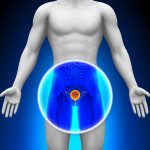
The prostate is a male sex gland about the size of a walnut or small lemon that’s located below the bladder. Among other functions, it produces liquid in semen for sperm. Prostate cancer is the most common cancer in men after skin cancer. It can be diagnosed with a prostate-specific antigen (PSA) blood test, a measure of a protein produced by the prostate. About one in seven men will be diagnosed with the disease in their lifetime. An estimated 313,780 new cases of prostate cancer will be diagnosed in the United States, and 35,770 men will die of the disease this year, according to the American Cancer Society’s Cancer Facts & Figures, 2025.
Biden has long been a staunch cancer advocate. The Cancer Moonshot is a series of federal health initiatives Biden launched in 2016 as vice president and that the Biden-Harris administration reignited in 2022 with new actions and commitments.
The Moonshot aimed to reduce the cancer death rate in the United States by at least half by 2047, prevent more than 4 million cancer deaths and improve the experience of those touched by cancer. As Biden has said, the goal is to end cancer as we know it.
Biden lost a son to brain cancer: Major Beau Biden was stationed overseas where he was exposed to hazardous burn pit emissions, known to be carcinogenic. In 2022 as president, Biden championed and signed the PACT Act, legislation that expanded health care and benefits for veterans—many from minority and underprivileged communities—exposed to carcinogens and other toxins.
However, the future of the Cancer Moonshot is in jeopardy under the Trump administration, which has been gutting funds and staff for programs and research at national health departments.
To learn more about Biden’s type of cancer, click #Metastatic Prostate Cancer or read Cancer Health’s Basics on Prostate Cancer. It reads in part:
What is prostate cancer?
Cancer develops when cells grow out of control. Prostate cancer is a typically slow-growing cancer of the prostate gland, a walnut-sized organ located under the bladder and in front of the rectum. But in some cases, the cancer can grow rapidly and spread beyond the prostate, a process known as metastasis.
What are the risk factors for prostate cancer?
The major risk factors for prostate cancer are genetics and family history. Studies looking at the link between prostate cancer and a diet high in red meat, chemical exposures including smoking, sexually transmitted infections and having had a vasectomy have produced conflicting results.
What are the symptoms of prostate cancer?
Usually early-stage prostate cancer, when tumors are small, causes few or no symptoms. As cancer progresses, some men may experience symptoms including:
- A frequent urge to urinate
- Difficulty urinating
- Blood in the urine or semen
- Difficulty getting an erection
- Pain in the lower back and hips.



Comments
Comments