

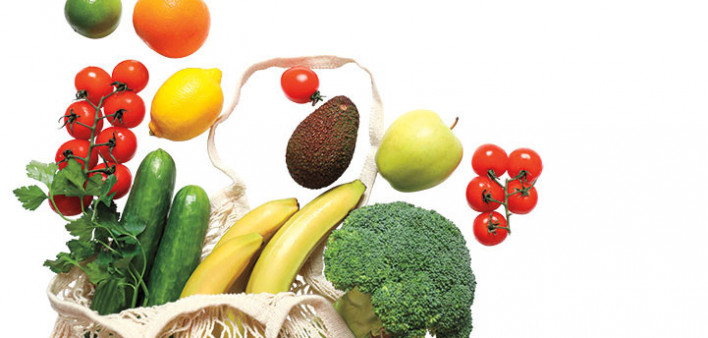
A healthy diet was associated with increased likelihood of lung cancer among younger adults in a study presented at the American Association for Cancer Research Annual Meeting. Some experts, however, are skeptical about the link.
Jorge Nieva, MD, of USC Norris Comprehensive Cancer Center, and colleagues surveyed 187 people diagnosed with lung cancer at ages 50 or younger who provided details about their diet and smoking habits; most had never smoked. On average, they ate about one more daily serving of fruit, vegetables and whole grains compared with the general population. The researchers suggested that pesticide residue on food might play a role in increased cancer risk in this population, noting that agricultural workers exposed to pesticides have higher rates of lung cancer.
“These counterintuitive findings raise important questions about an unknown environmental risk factor for lung cancer related to otherwise beneficial food that needs to be addressed,” Nieva said.
But an association does not mean fruits and vegetables cause lung cancer. People who respond to surveys may not be representative, and cancer patients may adopt a healthier diet after their diagnosis. What’s more, larger observational studies have found that people who ate more plants and less meat were at lower risk for lung cancer.
“This is really a signal that more research is needed—not a reason for people to avoid fruits, vegetables and whole grains,” Karla Giboyeaux, a clinical dietitian-nutritionist at Memorial Sloan Kettering Cancer Center, told MedPage Today.



Comments
Comments