

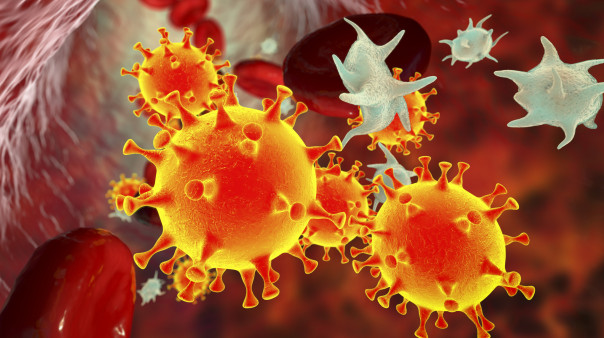
SARS-CoV-2, the virus that causes COVID-19, and other respiratory infections can awaken latent breast cancer cells that have spread to the lungs, potentially raising the risk for relapse, according to research published in Nature. While the study was done in mice, it has implications for cancer patients in remission.
“Our findings indicate that individuals with a history of cancer may benefit from taking precautions against respiratory viruses, such as vaccination when available, and discussing any concerns with their healthcare providers,” study coauthor Julio Aguirre-Ghiso, PhD, of Albert Einstein College of Medicine said in a news release.
The lungs are a common site for breast cancer metastasis. Malignant cells that spread to distant parts of the body can lie dormant for a prolonged period under the control of the immune system, but inflammation—for example, due to a viral infection—can trigger their growth.
“Dormant cancer cells are like the embers left in an abandoned campfire, and respiratory viruses are like a strong wind that reignites the flames,” said coauthor James DeGregori, PhD, of the University of Colorado Anschutz Medical Campus.
The researchers tested their hypothesis in mouse models of metastatic HER2-positive breast cancer, in which the animals had dormant disseminated cancer cells in the lungs and other organs, resembling the disease in humans.
When the mice were exposed to SARS-CoV-2 or influenza A virus, the respiratory infections reawakened dormant cells, leading to their rapid proliferation by up to 1,000-fold within days and “massive expansion of carcinoma cells into metastatic lesions” within two weeks, the study authors wrote.
Molecular analysis showed that phenotypic changes in the cancer cells that led to their reawakening were driven by interleukin-6 (IL-6), an inflammatory protein that certain immune cells release in response to infections or injuries. The transformed cancer cells impaired T-cell activation in the lungs, with CD4 cells suppressing the cancer-killing activity of CD8 cells. In contrast, the number of metastatic cancer cells decreased in mice that could not produce IL-6.
“The identification of IL-6 as a key mediator in arousing disseminated cancer cells from dormancy suggests that using IL-6 inhibitors or other targeted immunotherapies might prevent or lessen the resurgence of metastasis following viral infection,” Aguirre-Ghiso said.
The researchers also analyzed data on COVID-19 and cancer progression from patients in two large databases.
One analysis included people with various types of cancer in the U.K. Biobank who had been diagnosed at least five years before the pandemic, suggesting they were likely in remission; 487 people who tested positive for SARS-CoV-2 were matched with 4,350 patients without known infection. After excluding those who died of COVID, patients who tested positive had nearly double the risk of death from cancer, with the strongest effect seen during the first year after infection.
The second analysis, using the Flatiron Health database, included women with breast cancer at 280 U.S. cancer centers. The researchers compared rates of lung metastasis in 532 patients who tested positive for SARS-CoV-2 and 36,216 women without known infection. Over a year of follow-up, those with COVID had a 44% higher likelihood of their cancer spreading to the lungs.
“Our findings suggest that cancer survivors may be at increased risk of metastatic relapse after common respiratory viral infections,” said Roel Vermeulen, PhD, of Utrecht University in the Netherlands. However, he noted that the study mainly included data from the period before COVID vaccines were available.
The researchers are now doing further research to better understand the underlying mechanisms and possible interventions to limit metastatic cancer progression in patients with respiratory infections. They also plan to mine clinical data from people with other types of cancer and metastasis to sites other than the lungs.
“Respiratory viral infections are forever a part of our lives, so we need to understand the longer-term consequences of these infections,” DeGregori said.
Click here for more news about COVID-19 and cancer.



Comments
Comments