

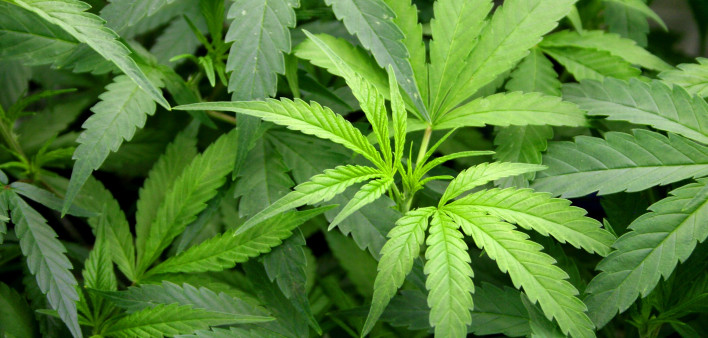
Cannabis, or marijuana, contains at least 125 different cannabinoids, and only one of these compounds, delta-9 tetrahydrocannabinol, or THC, produces a “high.” Scientists are still learning how the other cannabinoids, such as cannabidiol (CBD) and cannabigerol (CBG), affect the body. A recent study published in the British Journal of Clinical Pharmacology found that CBD and CBG may help treat advanced fatty liver diseases like metabolic dysfunction-associated steatotic liver disease (MASLD) by changing how the organ manages and cleans itself.
“Our findings reveal that these two phytocannabinoids promote a metabolic shift in hepatocytes, towards phosphocreatine utilization as an alternative energy source, and enhance lysosomal function under obesogenic conditions,” wrote the study’s authors.
MASLD and its more severe form, metabolic dysfunction-associated steatohepatitis (MASH), are responsible for a growing proportion of advanced liver disease worldwide. Estimates suggest that around a third of people in the United States have MASLD, and about 5% have MASH. Over time, the buildup of fat in the liver can lead to serious complications, including scarring of the liver (cirrhosis) and liver cancer.
Fatty liver disease often occurs in people with obesity, type 2 diabetes and other metabolic conditions. With only two approved medications (Rezdiffra and Wegovy), management still largely depends on lifestyle changes such as weight loss and exercise.
MASLD and MASH causes liver inflammation, increasing a person’s risk of cirrhosis, and hepatocellular carcinoma, the most common form of liver cancer.
To learn more about liver disease, read the Hep Basics on Fatty Liver Disease.
“Among emerging candidates [to target the progression of fatty liver disease], non-psychoactive phytocannabinoids such as cannabidiol (CBD) and cannabigerol (CBG) have attracted increasing attention due to their anti-inflammatory, antioxidant and metabolic-modulating properties,” wrote the study’s authors.
The researchers from the Hebrew University of Jerusalem (HUJ) modeled MASLD in male rats using a high-fat diet and tested the liver functions via biochemistry and metabolism assessments, following routine CBD or CBG injections.
CBD and CBG enhanced fat breakdown and removal in the liver and shifted energy toward a functional amino acid called phosphocreatine, increasing liver activity. The results of the cannabinoid treatment mimic the therapeutic effects of dietary interventions and weight loss.
The findings confirm the therapeutic value of CBD and CBG in treating fatty liver disease and other metabolic disorders. Still, the researchers emphasize the importance of further testing to understand how these results, shown in mice, may translate to human treatments
“Our findings identify a new mechanism by which CBD and CBG enhance hepatic energy and lysosomal function,” said Professor Joseph “Yossi” Tam, PhD, lead researcher on the paper, in a HUJ press release. “This dual metabolic remodeling contributes to improved liver lipid handling and highlights these compounds as promising therapeutic agents for MASLD.”


Comments
Comments