

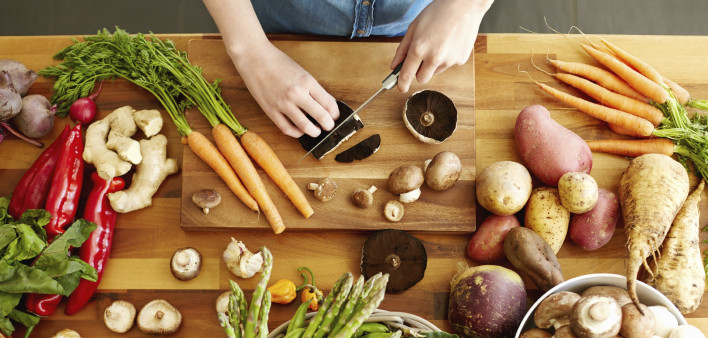
Most cancer survivors do not improve their eating habits, highlighting a lack of information and guidance during treatment planning, research from the UC Irvine Joe C. Wen School of Population & Public Health shows.
Specifically, when researchers analyzed data about people’s consumption of red meat, alcohol, fruits and vegetables, soda and alcohol, they found no significant differences between the habits of cancer survivors and individuals who never had cancer.
“We wanted to better understand how survivors were approaching their lifestyle and nutrition choices post-diagnosis and treatment and if their cancer journey did anything to improve this area of their lives,” said Yunxia Lu, MSc, PhD, in a news release. Lu is a corresponding author of the study and professor of population health and disease prevention at Wen Public Health.
By 2040, the number of cancer survivors in the United States is projected to reach 26 million. Several lifestyle factors, including a healthy diet and regular physical activity, can enhance survival and improve quality of life among cancer survivors.
Published in Public Health Nutrition, the study investigated diet-related cancer risk awareness and behaviors among cancer survivors compared with people who never had cancer using data from a National Cancer Institute survey.
“We found that there was a gap in the literature in diet-related cancer risk awareness or behaviors between cancer survivors and non-cancer individuals,” Lu said.
Researchers analyzed questionnaires that surveyed respondents about their consumption of processed meat, red meat, fruits and vegetables, dietary fiber, alcohol and soda or sugary drinks as well as questionnaire about the amount of foods and drinks they consumed.
The analysis revealed no significant differences in diet-related cancer risk awareness or behaviors between cancer survivors and non-cancer individuals. In fact, in both groups, about 82% failed to eat more than the two to three cups of fruit per day recommended by the American Cancer Society’s, and 75% did not meet the recommendations for vegetables.
“Cancer treatment specialists view a cancer diagnosis as a ‘teachable moment’ that increases openness to adopting a healthy lifestyle,” said first author Hemangi Mavadiya, MPH, RD, a doctoral candidate at Wen Public Health. “However, this study shows that there is a critical need for targeted dietary and behavioral interventions for the survivors and that education from provider to survivor is insufficient.”
Lu highlights the lack of targeted dietary interventions tailored to the unique challenges faced by cancer survivors, adding that health care professionals “should integrate culturally sensitive nutritional education and counseling services into routine survivorship care, which may help cancer survivors adopt and maintain healthy dietary behaviors.”
In related news, the American Cancer Society (ACS) updated its nutrition and activity guidelines for cancer survivors in 2022, recommending that they avoid obesity, stay physically active, eat a healthy diet and limit alcohol intake.
Research published earlier this year by ACS scientists shows a lifestyle aligned with these guidelines is associated with a lower mortality risk among nonsmoking survivors of obesity-related cancers in the United States. In fact, survivors who maintained a healthy lifestyle both before and after their diagnosis—or those who improved their habits after diagnosis—also had a lower mortality risk.
The ACS guidelines offer cancer-specific recommendations as well:
- For breast cancer survivors, there is evidence for “better survival among women with breast cancer who have a healthy body weight, are physically active, eat foods containing dietary fiber, eat foods containing soy.” However, the evidence that “fat intake or its subtypes are associated with mortality is inconsistent and limited.”
- For colorectal cancer (CRC): “A Western dietary pattern is related to worse survival after CRC.”
- For laryngeal, head and neck or hepatic (liver) cancers, “available evidence supports limiting or avoiding alcohol after diagnosis because alcohol increases treatment side effects and all-cause mortality among survivors of these cancers.”
- For prostate cancer, “Western, as opposed to prudent, diet patterns are associated with higher prostate cancer–specific and overall mortality, and a Mediterranean-style dietary pattern is associated with lower all-cause mortality among prostate cancer survivors.”
To read more, click #Cancer Survivor or #Diet. There, you’ll see headlines such as “Transitioning to Life After Cancer Treatment,” “Healthy Nutrition and Physical Lifestyle Choices Lower Cancer Mortality Risk for Survivors” and “Diet Influences Survival After Stage III Colon Cancer.”



Comments
Comments