

When patients undergo treatment for cancer, whether radiation, chemotherapy or other treatment types, there can be nutrition issues and concerns. Registered dietitians (RDs) are available across all clinics of Fred Hutch, including the proton therapy facility.
Patients may be referred to a registered dietitian if they’ve lost weight, have a reduced appetite or if their treatment will affect appetite and nutrition intake or cause side effects that might impact swallowing.
During the visit, a registered dietitian will conduct a comprehensive assessment of the patient’s nutritional needs, including a discussion of medical history, diet and cancer-related symptoms or treatment side effects, leading to personalized recommendations for managing nutrition during and after cancer treatment.
Here are some frequently asked questions Fred Hutch registered dietitians get from patients:
- Are there any foods I should or shouldn’t eat during my treatment?
There might be modifications to your diet if you’re having cancer- or treatment-related symptoms. For example, if you have diarrhea, you may be advised to follow a modified fiber diet; if you have mouth sores or mucositis, softer foods would be better tolerated. However, there isn’t one food that RDs always recommend or always advise to avoid. I get asked often about sugar. It’s usually OK to have an occasional dessert, but the goal is to promote healing and recovery with a well-balanced diet.
- How much protein do I need? What if I don’t eat meat?
Protein needs are assessed based on a patient’s weight, medical issues and treatment plan. In general, protein needs are higher when receiving any kind of cancer treatment but might be altered if there is underlying disease that requires a lower protein goal. Your RD will calculate your needs and help you achieve those goals, taking your preferences into account. If you don’t eat meat, there are plenty of great plant-based proteins such as legumes, nuts and seeds, nut butters like peanut butter, and tofu. Sometimes protein shakes and protein powders can be helpful in reaching protein intake goals.
- I was told I shouldn’t lose weight, should I stop exercising?
In most cases, it’s important to maintain weight during treatment, because chemotherapy dose is often based on weight, and for radiation, weight maintenance ensures that treatment set-up is reproduceable. So, if you’re losing weight, it could impact both types of treatment.
Also, if you are losing weight during treatment, it often means that you’re losing lean body mass — muscle. Losing muscle can delay the healing process, contribute to fatigue and weakness and change your treatment plan. While exercise does “burn” calories, it also helps you keep up your muscle mass, so it is important to keep moving and stay active during treatment. However, you should always check with your treatment team for their recommendations regarding type and intensity.
Every patient at Fred Hutch is offered the opportunity to meet with a registered dietitian. Let your care team know if you are interested in a visit or read more about Medical Nutrition Therapy Services.
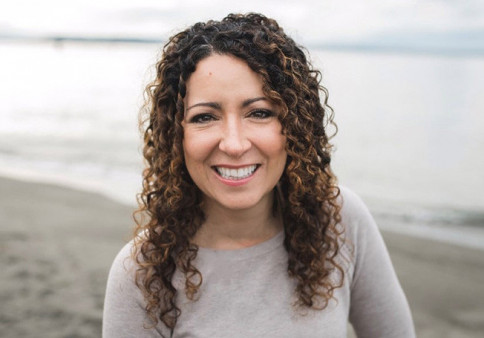
Laura Martinell, RD, is a registered dietitian at Fred Hutch who has worked in oncology since 2008. She currently sees patients at Fred Hutch Cancer Center – Proton Therapy and Fred Hutch at UW Medical Center – Northwest.

Comments
Comments