


No one should face cancer alone. Obviously, researchers and physicians are necessary to diagnose and treat the illness, and oncology nurses and navigators can guide people through the continuum of care. But that’s just one element of need.
Luckily, a vast range of skilled and dedicated patient advocates can provide support to people with cancer and their loved ones. They raise funds and awareness, build programs and communities, share information, schedule appointments, host Zoom calls, fight legal battles, offer grants, locate clinical trials, drive folks to appointments, cook meals and much, much more.
Harold P. Freeman, MD, a former associate director of the National Cancer Institute regarded as the father of patient navigation, described the landscape of cancer care thus: “The nation has a superb cancer discovery enterprise. However, there is a disconnect between what we discover and what we deliver.”
Patient advocates fill this gap by providing support, education, prevention, treatment, care and myriad other needs, especially for the poor, marginalized and underinsured.
“Cancer is indiscriminate,” says Angelique Caba, MSW, LCSW-R, vice president of programs and health equity at CancerCare. “Many communities that we serve, who are already vulnerable, no longer feel safe. If there was ever a time to double-down on our health equity work—it is now.” She and others are doing that work.
For our sixth annual Cancer Health 25, we salute patient advocates for their unwavering efforts to support the cancer community. To be clear, our Cancer Health 25 is not a “best of” list or a “most important” ranking. In fact, 25 spots aren’t enough to enumerate the different ways people advocate for those affected by cancer. What we aim to do, however, is highlight—and thank!—a sampling of outstanding patient advocates.
It’s an honor to amplify the work of these 25 patient advocates. To them and all the others out there: We salute you!
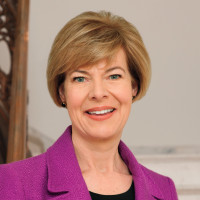
Senator Tammy Baldwin (D–Wisc.)Courtesy of Baldwin.senate.gov
Senator Tammy Baldwin
Madison, Wisconsin
Legislators wield the unique power to pass laws and set budgets that directly affect cancer care. They also make headlines. When Senator Tammy Baldwin (D–Wisc.) attended this year’s State of the Union, she invited a woman with metastatic breast cancer who relies on Medicaid for treatment—a public gesture to highlight how proposed health care cuts could harm everyday Americans. The senator is a longtime supporter of bills to provide breast and cervical cancer screenings, reduce health disparities and fund national health programs. “Baldwin continues to be one of the most consistent and impactful champions of [the National Institutes of Health] and the cancer research community on Capitol Hill,” writes the American Association of Cancer Research, which this spring honored the lawmaker with a Distinguished Public Service Award. “Cancer doesn’t see party lines, and neither should our support for helping more Americans get access to the care and treatment they need,” Baldwin tells Cancer Health. “I’m proud to be their partner in this fight.”
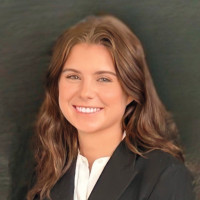
Laura BeilkeCourtesy of Triage Cancer
Laura Beilke
Glendale, Wisconsin
As a youngster, Laura Beilke lost her mother to cancer. This experience fueled her decision to become a patient advocate. Today, she’s a staff attorney at Triage Cancer, a national nonprofit that helps people with the legal and practical issues that arise throughout the cancer experience. Beilke uses her extensive legal background and expertise to ensure that individuals diagnosed with cancer as well as their caregivers have the information they need to make the best decisions for themselves. “When someone is diagnosed with cancer, they are faced with so many different things: decisions to make and information to learn,” she says. “Trying to juggle it all can be incredibly overwhelming.”
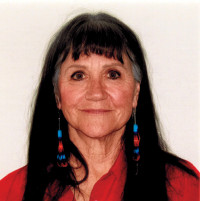
Linda BurhansstipanovCourtesy of Linda Burhansstipanov
Linda Burhansstipanov
Pine, Colorado
When Linda Burhansstipanov, DrPH, a Cherokee woman who’d been working in public health and teaching at universities since 1971, started researching cancer at the National Institutes of Health in 1989, the Indian Health Service’s lone oncologist was based in Alaska. Burhansstipanov’s research demonstrated that her Native brothers and sisters were being diagnosed late, getting inadequate care and dying young of cancer. But medical resources were scarce. So she founded Native American Cancer Initiatives. The national grassroots model trains nonmedical and medical oncology patient navigators to build trust and help American Indians and Alaskan Natives overcome the obstacles that interfere with prevention, early screening and treatment.
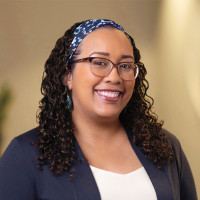
Angelique CabaCourtesy of CancerCare
Angelique Caba
New York City
Based in New York City, CancerCare provides vital programs nationwide, including individual counseling, support groups, resource navigation services, education and financial assistance. As the vice president of programs and health equity, Angelique Caba, MSW, LCSW-R, oversees CancerCare’s social services department and extensive portfolio of programs while expanding access to quality care for underserved communities. Caba has decades of experience in social work—notably helping children and those with special needs—but when her husband was diagnosed with cancer, Caba began to focus more on cancer issues. She’s a member of the Association of Oncology Social Work and the American Society of Clinical Oncology. At CancerCare, she has helped build programs for people who speak Spanish, and she promotes diversity, equity and inclusion.
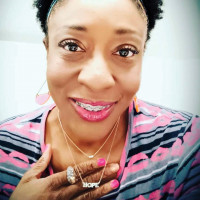
Paula Chambers RaneyCourtesy of Paula Chambers Raney
Paula Chambers Raney
Houston
“As a Black queer woman, I know firsthand how the system can fail people who look like me,” says cancer survivor Paula Chambers Raney. Indeed, despite experiencing severe colorectal cancer (CRC) symptoms for two years, she was misdiagnosed and mistreated before ending up in the ER; eventually, surgeons removed a baseball-sized tumor. She was 44. Now, she’s an outspoken activist. As a hope coordinator for Fight CRC and a patient advocate with the National LGBTQIA+ Cancer Network, among other roles, Raney educates minority populations nationwide and fights for equitable treatment. “I carry both the burden and the honor of advocacy,” she says. “I show up so that every person who looks like me, loves like me and lives like me is seen, heard and counted in conversations that have ignored us for too long.”
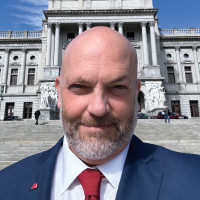
Ernie DavisCourtesy of Ernie Davis
Ernie Davis
Nearly half of cancer patients face medical debt due to their diagnosis and treatment—even those with insurance. As the Leukemia & Lymphoma Society‘s senior director of government affairs for the Northeast, Ernie Davis built strong, trusted relationships with lawmakers that gave rise to an invaluable network that helped him navigate the complex legislative process. His hard work alongside that of his advocacy partner, Jen McGarry, and many other state coalition partners resulted in current work on the passage of laws in seven states that protect patients from harmful medical debt. “I feel incredibly fortunate to be a part of the team in the Leukemia & Lymphoma’s Office of Public Policy that works with federal and state lawmakers to pass policies that improve the lives of our patients and their families,” Davis says.
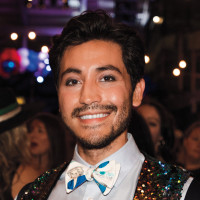
Kyle DeLeonCourtesy of Kyle DeLeon
Kyle DeLeon
Austin
“Cancer is what brought me here,” says Kyle DeLeon about his work for the American Cancer Society Cancer Action Network, where he’s the senior manager of state and local advocacy operations. In 2018, two days before his 29th birthday, DeLeon discovered a lump that turned out to be testicular cancer. Undergoing treatment sparked in him an empowering new sense of awareness and purpose. In his work, he began drawing on his background as a queer Latino testicular cancer survivor to make elected officials aware of those who have historically not had a seat at the table in cancer advocacy. “The overarching context of our ongoing mission is to ensure equitable access to care for all,” he says.
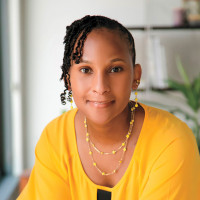
Talaya DendyCourtesy of Talaya Dendy/Jeannine Marie Photography/Block Portrait Studios
Talaya Dendy
Minneapolis
As a cancer doula, Talaya Dendy bridges the gap between the medical and emotional sides of cancer. When diagnosed with Hodgkin lymphoma in 2011, she noticed that emotional support was absent from her treatment plan. Today, a cancer thriver and board-certified patient advocate, Dendy supports people with cancer via compassionate, personalized care. She guides individuals to work through their emotions and fears, improve communication with loved ones and care teams, integrate holistic wellness and confidently navigate the health care system. Her podcast, Navigating Cancer TOGETHER, offers a sense of community and inspiration for anyone affected by cancer.
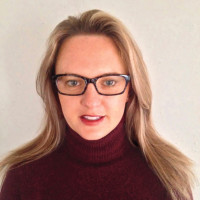
Andrea DwyerCourtesy of Andrea Dwyer
Andrea Dwyer
Denver
As chair of the American Cancer Society’s Patient Navigation Roundtable and a trustee of the Academy of Oncology Nurse and Patient Navigators, Andrea Dwyer, MPH, is a driving force in the movement to make navigation available to every person with cancer who needs it. Her research demonstrates that navigation improves patient outcomes. While pilot navigation programs often rely on grants and volunteers and may be vulnerable to budget cuts, Dwyer’s research supports sustainable reimbursement systems, including fair wages for full-time navigators. As director of the Colorado Cancer Screening Program at the University of Colorado Cancer Center and adviser to Fight Colorectal Cancer, she is also a leader in cancer screening and prevention.
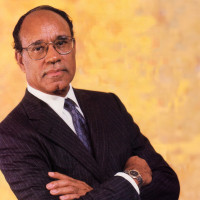
Harold P. FreemanCourtesy of Harold P. Freeman
Harold P. Freeman
Atlanta
Known as the father of patient navigation, Harold P. Freeman, MD, pioneered that concept in 1990 while at Harlem Hospital, where he observed that poor and uninsured people and minorities were more likely to present with late-stage cancer and require guidance along the entire continuum of care. “If people meet barriers in getting through the health care system,” he recalled to The Cancer Letter, “then maybe we should navigate them.” He’s a professor of surgery emeritus at Columbia University, the founder of the Breast Examination Center of Harlem and the Ralph Lauren Center (both programs of Memorial Sloan Kettering Cancer Center) and a past chairman of the President’s Cancer Panel, among many titles and accolades. He currently serves as editor emeritus of the Journal of Oncology Navigation & Survivorship. No wonder OncLive named Freeman a “Giant of Cancer Care.”
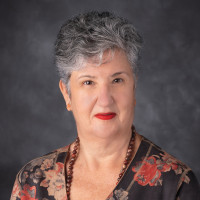
Beth GarciaCourtesy of MD Anderson Cancer Center
Beth Garcia
Houston
At MD Anderson Cancer Center, vice president of patient experience Beth Garcia, RN, MPA, develops programs and initiatives implementing human-centered design principles to address the needs of patients and their families. Garcia carries out impactful improvements in patient experience through advocacy, education and emotional intelligence. For example, Garcia and colleagues spearheaded MD Anderson’s Oncology Nurse Navigator program, which connects people with cancer and their families with passionate caregivers who can answer questions, offer resources and provide emotional support. Garcia also helped develop the askMDAnderson Call Center, which helps people make informed decisions about their cancer care experience.
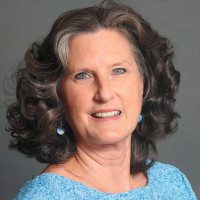
Sharon GentryCourtesy of Sharon Gentry
Sharon Gentry
Lewisville, North Carolina
Sharon Gentry, MSN, RN, editor-in-chief of the Journal of Oncology Navigation & Survivorship, was an experienced oncology nurse when in 1999 she was tapped to create a breast cancer patient navigation program in the Winston-Salem area. The Novant Health program, which she ran for 20 years, became a national model. Within three days of a biopsy, each breast cancer patient is offered a navigator to coordinate and streamline care, which improves outcomes, increases patient satisfaction and reduces costs. A national voice for the power of patient navigation, Gentry has been active in leadership at the Academy of Oncology Nurse and Patient Navigators since its inception in 2009 and was awarded its lifetime achievement award in 2019.
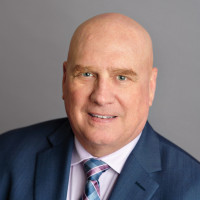
Michael S. HeimallCourtesy of HealthWell Foundation
Michael S. Heimall
Germantown, Maryland
As president and CEO of HealthWell Foundation, Michael S. Heimall leads the nonprofit’s efforts to provide a financial lifeline to our nation’s underinsured (to learn more, see our Your Team profile on page 30). He previously served as executive director of the Washington, DC, Veterans Affairs Medical Center and brings his budgetary and advocacy knowledge to serve patients in financial need. Since its founding in 2003, HealthWell has assisted over 1 million patients, including nearly 400,000 people with cancer. The charity organization offers more than 40 oncology funds, such as a newly launched grant for individuals with neuroendocrine tumors, that provide help with medication co-payments and insurance premiums, out-of-pocket expenses and other costs. Under Heimall’s leadership, HealthWell provides a lifesaving safety net for when health insurance is not enough.
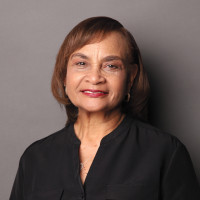
Ritchie JohnsonCourtesy of Ritchie Johnson
Ritchie Johnson
Sugar Land, Texas
Ritchie Johnson, MBA, RN, launched the Chris “CJ” Johnson Foundation in memory of her son, who died of renal medullary cancer (RMC), a rare and aggressive type of kidney cancer that primarily affects young African Americans with sickle cell trait. A relentless advocate, Johnson pushed for increased RMC awareness, funds and scientific attention, which led to the formation of multiple clinical trials to study the disease. A member of the Kidney Cancer Association advisory board, she also advocates at the federal level. This year, the foundation plans to finalize and distribute a patient education booklet about RMC. Johnson exemplifies how one advocate can make a positive impact on the lives of many.
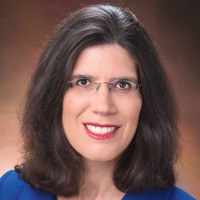
Jennifer M. KalishCourtesy of CHOP.edu
Jennifer M. Kalish
Philadelphia
Beckwith-Wiedemann syndrome (BWS) is a genetic disorder that causes overgrowth, either in parts of the body or the whole body, and increases cancer risk, notably kidney and liver cancers during childhood. To better understand this anomaly and support those affected by BWS, in 2014, pediatric geneticist Jennifer M. Kalish, MD, PhD, founded the BWS Registry at the Children’s Hospital of Philadelphia. The registry collects clinical data and samples from patients, aiding in the development of clinical management approaches, including tumor screening guidelines. Kalish also launched BWS conferences for families, physicians and researchers, fostering community, sharing knowledge and building support; the fifth such conference takes place in July. The recipient of a clinical investigator grant from the Damon Runyon Cancer Research Foundation and several grants from Alex’s Lemonade Stand Foundation, among others, Kalish illustrates the power of a physician who advocates for her patients.
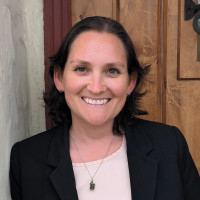
Julie MansfieldCoutesy of Julie Mansfield
Julie Mansfield
San Mateo, California
After being treated for breast cancer a few years ago, Julie Mansfield realized how overwhelming it was to try to heal while self-managing her care, navigating day-by-day needs and communicating with concerned loved ones. The experience led the passionate advocate for breast cancer awareness and prevention to launch Wellnest, a free digital platform at InspireWellnest.com that allows users to share all their needs and updates in one spot. “Wellnest is a unique online community built to simplify the chaos of crisis,” Mansfield says. “By combining health updates, crowdfunding, registries and coordinated care in one place, it empowers loved ones to show up in the ways that matter most.”
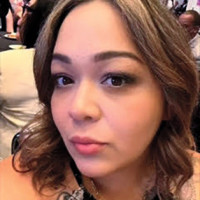
Ana MelendezCourtesy of Ana Melendez
Ana Melendez
Lorain, Ohio
Serving a mostly Latino community at El Centro de Servicios Sociales Inc. (in English, “the center for social services”) in Lorain, Ohio, patient navigator Ana Melendez guides her Spanish-speaking clients, many of whom are migrants or lack insurance, through a system that primarily provides services in English. Melendez explains health information, makes appointments, arranges transportation, helps manage financial issues and provides information about treatment, including access to clinical trials at the nearby Cleveland Clinic, University Hospitals and Mercy Health Hospitals. She often accompanies her clients to their appointments and serves as an interpreter. No matter the need, she is there to help.
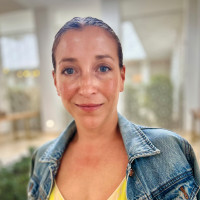
Amanda MonteiroCourtesy of Amanda Monteiro
Amanda Monteiro
New York City
In 2018, Amanda Monteiro, LMSW, lost her 20-month-old baby girl, Edie, to pediatric acute myeloid leukemia. Today, she’s a childhood cancer and palliative care advocate and a volunteer ambassador for the Leukemia & Lymphoma Society’s Dare to Dream Project and the Pediatric Acute Leukemia Master Clinical Trial. Monteiro has spent countless hours sharing her family’s story with lawmakers, supporting proposed legislation to help children with cancer overcome barriers and delays to treatment and fundraising on behalf of children and families affected by the disease. “I promised to do everything in my power to prevent another parent from experiencing this devastating tragedy,” says Monteiro.

Bonny MorrisCourtesy of Bonny Morris
Bonny Morris
Advance, North Carolina
“Rural areas have higher cancer death rates, and we’ve seen over and over how access makes a difference,” says Bonny Morris, PhD, RN, who was born and raised in rural North Carolina. By seventh grade, she knew she wanted to become an agent of change. “Having someone who can break down those barriers, like a patient navigator, can be a great equalizer.” Now the vice president of navigation at the American Cancer Society, Morris is part behavioral scientist and part clinical team member as well as a patient advocate. She develops programs and research focused on strategies that integrate digital health and patient navigation to optimize cancer care delivery. “I’m always looking for opportunities to innovate, so that we don’t continue to see disparities in cancer mortality based on where we live, the color of our skin or the language we speak,” she says.
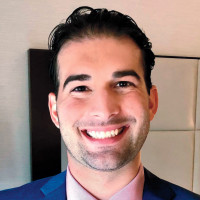
Matthew ReissCourtesy of GO2 for Lung Cancer
Matthew Reiss
Cohoes, New York
Comprehensive biomarker testing is an increasingly important element in deciding the best cancer treatment options. But how can typical patients make sense of this complicated science? At GO2 for Lung Cancer, they speak one-on-one with specialists, like Matthew Reiss, MSE, PhD, the manager of precision medicine and navigation. He helps clients access biomarker testing and then explains the resulting analysis of their tumor’s genetic makeup and whether they’re candidates for drugs that target those genes, known as precision medicine. Through GO2’s LungMATCH program, Reiss also connects clients with clinical trials. “It’s really difficult to navigate all the information out there,” Reiss acknowledges. “I make sure that people have the education they need as well as the resources to understand what treatments are available to them.”
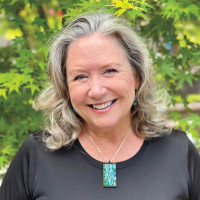
Sarah SchiltzCourtesy of Sarah Schiltz
Sarah Schiltz
San Francisco Bay Area
A dedicated advocate for patients, families and care teams dealing with liver cancer, Sarah Schiltz drives positive change and strives for a cure. As board director for Blue Faery: The Adrienne Wilson Liver Cancer Association, Schiltz provides support, guidance and information for those with liver cancer, their advocates and caregivers. Her passion stems from personal experiences and the loss of her husband, Greg, to liver cancer in 2020. Schiltz further extends her impact as board chair of the nonprofit Cancer CAREpoint, offering personalized cancer support, education and resources to those in the Bay Area.
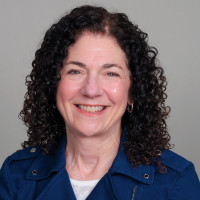
Karen ShafferCourtesy of Karen Shaffer
Karen Shaffer
Manalapan, New Jersey
In the world of prostate cancer—the second most common cancer among men, after skin cancer—you could say women are the unsung heroes. “This journey is a tough one for all of us, not just for the patients but also for the spouses and partners,” says Karen Shaffer, who lost her husband to the disease. “Sometimes we as women need a place to share our experiences, ask questions and get information in a comfortable and understanding atmosphere.” Shaffer helped create that space and now moderates it twice monthly: the Online Women’s Support Group at the prostate cancer nonprofit Fans for the Cure. A former middle school teacher and public relations professional, Shaffer also serves as the organization’s community and communications contact, connecting the charity to communities, especially in areas that lack access to quality health care, and raising awareness of prostate cancer and the importance of early detection.

Garrett WhitlockCourtesy of Dana-Farber Cancer Institute
Garrett Whitlock
Boston
Celebrities and sports heroes can parlay their fame to raise funds, educate and advocate for those with cancer. Think of Katie Couric televising her colonoscopy and cofounding Stand Up To Cancer or Olivia Munn recently sharing her breast cancer journey. For the third year, Boston Red Sox pitcher Garrett Whitlock is serving as the Jimmy Fund Captain to support the Dana-Farber Cancer Institute. Launched in 1948 and named after a pediatric patient treated by pioneering cancer doc Sidney Farber, the fund partnered with the Red Sox in 1953 and continues its winning streak. Whitlock visits patients, participates in fundraising events, raises awareness and helps strike out cancer.
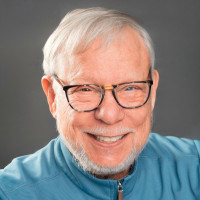
Howard WolinskyCourtesy of Howard Wolinsky/Jean Lachat Photography
Howard Wolinsky
Chicago
When Howard Wolinsky learned he had prostate cancer 15 years ago at age 63, his doctor wanted to cure him by removing the gland. But Wolinsky, a Pulitzer Prize–nominated medical journalist for the Chicago Sun-Times, did his research. Learning he had a low-risk cancer, he chose not to have surgery or radiation and instead opted for a then-uncommon modality called active surveillance, a type of monitoring. He has yet to need treatment. But he is a vocal advocate for others like him as they navigate uncertainty and anxiety. Working with physician-scientists, he has coauthored dozens of articles in medical journals. Wolinsky is the editor of the Substack newsletter TheActiveSurveillor.com. He also cofounded the support group Active Surveillance Patients International and a virtual support group for the AnCan Foundation.
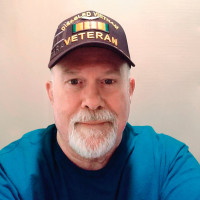
Bruce WrightCourtesy of Bruce Wright
Bruce Wright
Ladera Ranch, California
The Veterans Administration recognizes Agent Orange as the “presumptive cause” of the two cancers, chronic lymphocytic leukemia (CLL) and prostate cancer, that Bruce Wright, 80, has survived. He was deployed three times to Vietnam, twice as a naval flight officer. Yet it took him three years to get approved for VA disability benefits. Determined that no fellow vet should face those obstacles, Wright has helped over 115 of them secure disability benefits. He chairs the patient advisory board at the CLL Society, runs 10 support groups and, of course, works with veterans with CLL. But he’ll help any vet with any cancer—indeed, anyone with cancer—any time.




Comments
Comments